
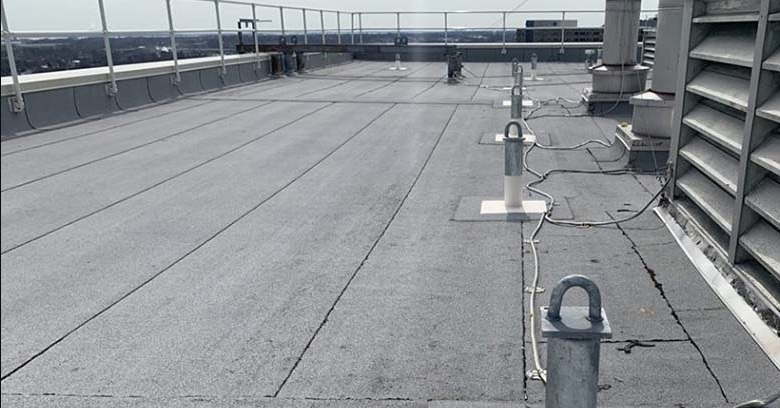
Planning work on Flat Roof Installation in Bradfordville Florida?
PRO Roofing sorts the many kinds of flat roof into materials that can actually be told apart; the details below are written for owners and managers
To start a conversation about a store, office or warehouse roof, reach out at 850-750-9644 when ready
Why Business Roofs Look Different: Terms Worth Knowing
A typical commercial building has a roof that appears flat but is set with a slight fall toward its drains; a continuous skin is the basic design idea. A continuous waterproof membrane is rolled, welded, glued or sprayed over the deck and insulation of a low-slope roof; the choice among membrane types shapes how the roof ages and how repairs are made. People talking about business roofs mix up flat, low-slope and membrane as though the three words meant one thing; knowing the vocabulary makes conversations with a roofer much shorter. Business people who ask about Commercial Roof Contractors and Commercial Roof Installations often want to know who handles a building like theirs.
The Classic Tar and Gravel Roof: Strength Through Repetition
The built-up method alternates layers of reinforcing fabric with layers of bitumen, laid down in sequence; several plies mean a single flaw rarely goes all the way through. Gravel or a mineral-surfaced cap sheet typically tops the roof to protect the asphalt from sunlight; the sun is the main enemy of asphalt, and the surface layer takes the beating. Because of the weight and the hot application, this system is work for trained crews with proper equipment; open flame or kettles are used only by people who know the safety steps. Owners who ask about Commercial Roof Maintenance and Commercial Roof Replacement want to learn how the classic system compares with newer sheets.
Why Rubber Roofing Is So Flexible: What It Is
Wide rolls of synthetic rubber, called EPDM, cover a large roof area with very few seams; the sheet is glued, fastened or held down with ballast stone. At each place where sheets meet, adhesive or tape forms a joint, and that joint is the part to watch; seams are the first place a rubber roof shows age. Black rubber absorbs heat, so the surface can run hot in summer, although white versions are made; either color is installed the same way. Property teams who compare Commercial Roof Services and Flat Roofs usually want to know how rubber roofs behave in humid summers.
The White Membrane Everyone Notices: How It Works
The seams of a TPO sheet are joined with hot air, and the heat melts two edges into one continuous piece; a welded joint is as strong as the sheet around it. The typical TPO roof is white or pale gray, reflecting a large share of the sun's light; cooler surfaces also put less stress on the sheet itself. Clean, dry sheets and steady temperature settings are what a weld requires, so installation has to be careful; weather and surface dirt both change how the weld takes. Managers who type Flat Roof Companies and Flat Roof Installation usually want to know who installs and services these membranes.
A New Skin on an Old Roof: What It Can and Cannot Do
Liquid coatings are applied to a cleaned roof and cure into one unbroken waterproof surface; silicone, acrylic and urethane are the most common types. Roofs that are sound in structure and clear of saturated insulation are the ones coatings suit best; damp material is cut out and replaced before any liquid goes on. How a coating turns out is decided by preparation: cleaning, repairs and seam treatment all come first; the surface must be clear of dirt, mildew and loose material. Readers who type BUR Roofs and Built Up Roofs usually look for coating services that fit an aging membrane.
Targeted Repair Work: Working Outward From the Leak
Leaks on flat roofs seldom show directly under the hole, because the water moves along the deck and insulation before it drips; moisture meters and infrared cameras help trace the path. Repairs usually concern cracked seams, worn flashing, punctured sheets or failed sealant at pipes and equipment; a repair using the wrong product peels away. Small repairs done on time keep the roof dry and put off the day a full replacement is needed; regular repair visits take a little attention and save a great deal of trouble. Property teams who compare Built Up Roof Installation and EPDM Roofs want the repair process explained in sequence.
The Details Around the Field of the Roof: Weak Points in Any Membrane
Out in the open field a membrane is at its strongest, which leaves the edges and openings as the places trouble begins; a perimeter that is detailed well keeps wind and water out. Ponding that stresses every seam is the result when the drains and scuppers meant to carry water off the roof become clogged; debris, leaves and gravel must be cleared on a schedule. At the roof edge, metal trim pins the membrane down and sheds water into the gutter; sealant at the joints needs periodic checks. Owners who ask about EPDM Roof Installation and TPO Membrane Roofs usually want to find who handles the small parts as carefully as the large ones.
Tapered Boards That Move Water: Why It Matters
The thermal performance of a building is set largely by the rigid insulation boards between the deck and the membrane; the foam is protected from water by the sheet above. Wedge-shaped boards of tapered insulation give a level roof a slight slope toward the drains; correcting the slope is more reliable than hoping the sheet will cope. When insulation soaks up water, its value is lost and the moisture sits against the deck for a long time; the only cure is to remove the damp material. Managers who look up TPO Membrane Roof Contractors and TPO Membrane Roof Services tend to want a full roof system described rather than only the top layer.
Sun, Humidity and the Gulf Coast: Stress From Above
Months of strong sun heat a dark or aged membrane well beyond the temperature of the air; reflective coverings take some of that load off the roof. Humid coastal air feeds algae and mildew on flat roofs, and standing water makes it worse; a damp climate rewards roofs that drain well. Afternoon thunderstorms drop heavy rain in minutes, which tests every drain and seam on the roof; drains sized for ordinary rain can be overwhelmed during a downpour. Business people who type Flat Roof Coating and Flat Roof Coating Services want the crew to know the regional conditions.
Holding a Membrane Down in High Wind: Before the Season Opens
Wind passing over a flat roof produces suction, strongest at the corners and edges; the roof edge is where storm damage tends to start. Strong gusts can shift a thin layer of stone, and a ballasted roof relies on that stone weight; the right method is specified for the building, not picked at random. A look at the seams, edges, drains and rooftop equipment before hurricane season helps head off the worst problems; waiting for the next rain to find the damage is a poor plan. Readers who type Flat Roof Repair usually look for services that cover inspection, repair and replacement together.
Choosing Among the Options: a Short Checklist
The right membrane depends on how the building is used, its roof traffic, the existing deck and how the structure is cooled; the shape of the roof and its equipment matter as much as the sheet. Much can be learned by asking a roofer why one system suits a particular property better than another; a careful contractor will describe the tradeoffs of each option. Replacement, restoration and repair are three separate paths, and each has its place; the aim is to spend effort where the roof needs it. Managers who search for Flat Roof Services usually want the whole picture in a single conversation.
What to Remember About Commercial Roofs: Final Thoughts
Whoever is reading up on Flat Roof Installation in Bradfordville Florida will find the conversation with a roofer simpler after reading this page. Call PRO Roofing at 850-750-9644 and describe the property, and the options will be laid out in plain words.
Verified

Verified
Verified