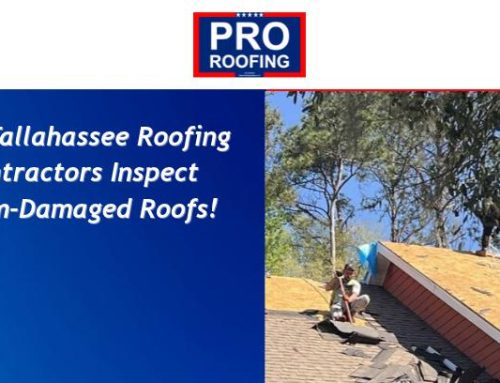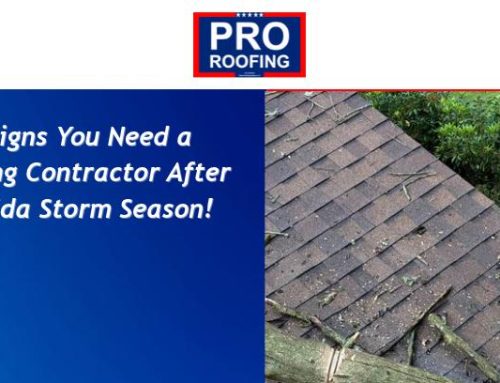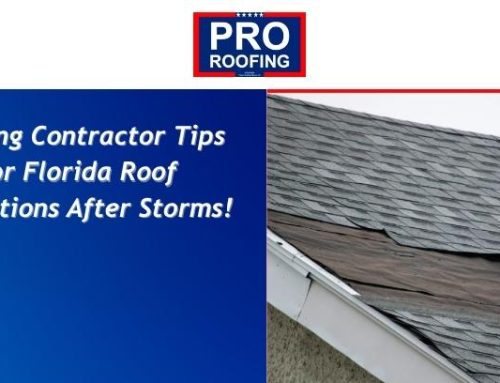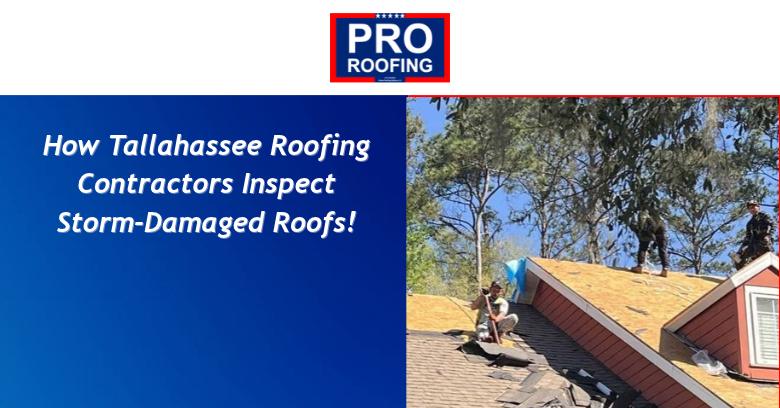

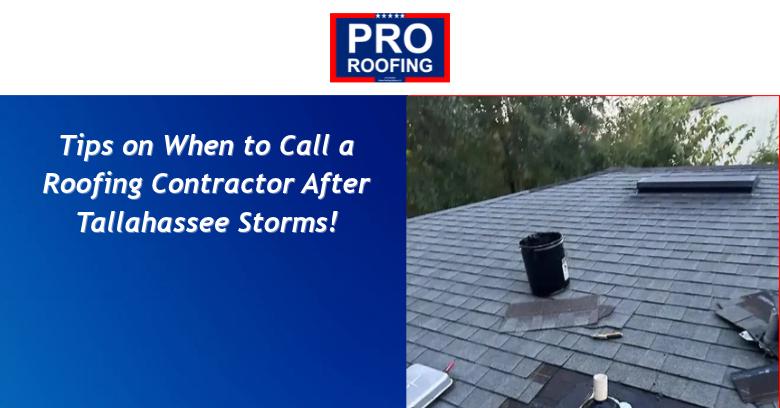
A line of storms moves through, the pines bend, and the next morning the roof looks the same as it did the day before. That is the trouble with wind damage in North Florida: most of it doesn't announce itself. By the time a brown ring appears on a bedroom ceiling, the shingle seal that broke weeks ago has let water past the shingles with every rain since. Knowing when to call a roofing contractor, and when it's reasonable to wait, is often the difference between a modest repair and a soaked deck.
Homeowners in the Tallahassee, Florida, area face a storm profile that differs from the rest of the state. Hail is rare here. What does the damage look like when the wind hits the live oak and loblolly pine canopy that makes these neighborhoods beautiful? Summer downbursts routinely hit 50 to 60 mph with no named storm attached, and the region has absorbed Hermine, Michael, Idalia, Debby, Helene, and the May 2024 tornado outbreak that pushed EF-2 damage straight through the city. With roughly 60 inches of rain a year, a broken seal can quickly become an attic leak.
This article covers what storm damage looks like on a local roof, the signs that warrant a call today, the insurance clock that starts at the moment of loss, and how to tell a legitimate contractor from the trucks that appear after every storm when everyone is typing roofer near meinto their phone.
What Storm Damage Looks Like Under the Tallahassee Canopy
Wind and Debris, Not Hail
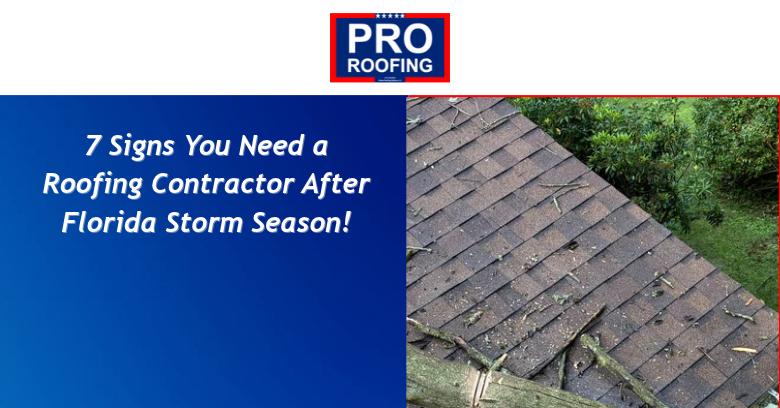
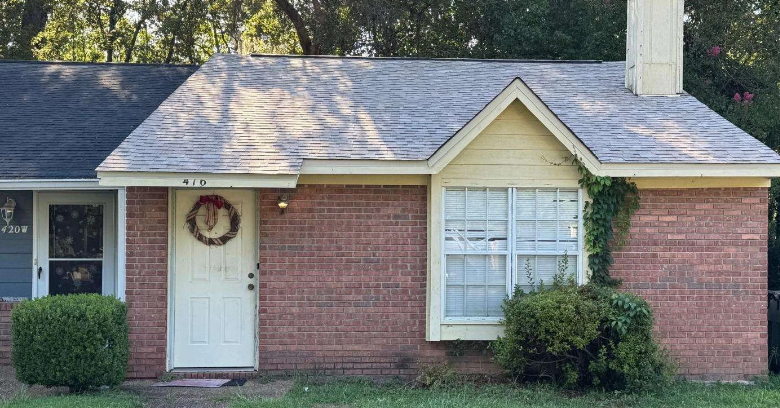
Local storm damage follows a pattern. Shingle tabs lift and crease, sealant strips break, ridge caps blow off, fasteners back out and sit exposed, pine limbs puncture the roof field, ridge vents tear loose, and gutters pull away from the fascia. In the wooded streets around Bradfordville, Florida, limb strikes cause the most sudden damage, while constant pine straw packs valleys and gutters until water backs up under the shingle course above.
Shade does its own slow damage. Heavy tree cover feeds Gloeocapsa magma, the algae responsible for the black streaking on north-facing slopes. That isn't storm damage, but it often shows up in the same inspection, and it tells a roofing contractor how wet that slope stays between rains.
Creased Shingles: The Damage Nobody Sees
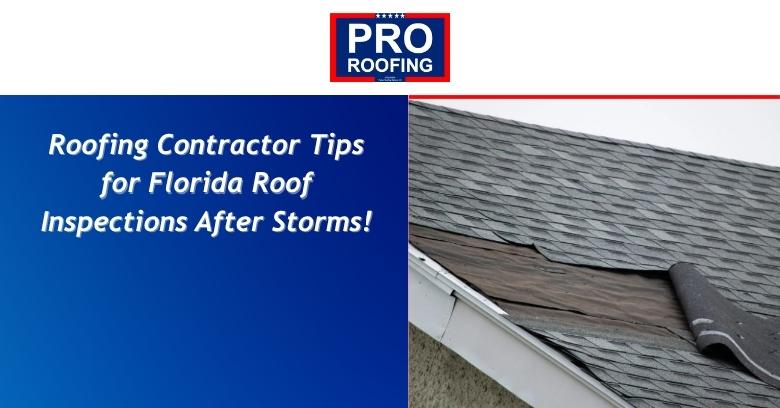
The most missed form of wind damage is the creased shingle. Wind lifts the tab, breaks the factory seal, and drops it back down. From the street, the roof looks perfect. In the next storm, wind-driven rain goes straight under that tab. A homeowner who waits for a visible hole will wait months, and the deck pays for it. Creasing forms on the roof, not on the ground.
When to Call a Roofing Contractor Right Away
Some findings should not sit over a weekend. Call a local roofer the same day when any of these are present:
- Shingles, ridge caps, or metal panels in the yard. If pieces of the roof are on the lawn, the deck or underlayment is exposed somewhere above.
- A limb on the roof, or one that came off and bounced. Even a glancing pine limb can puncture decking and crush the shingle mat.
- Any interior water sign. A ceiling stain, a damp attic rafter, or a drip at a light fixture means water is already inside the building.
- Daylight visible in the attic. Go up with a flashlight after a storm and look at the sheathing from below.
- A torn ridge vent or loose flashing. These are open paths for water at the roof's most vulnerable points.
- Gutters hanging off the fascia. That often means the fascia board or the drip edge took the force too.
In those cases, an emergency tarp buys time, not a cure. Trade pricing on a proper tarp typically runs from a few hundred dollars to around $1,500, and the material usually holds 30 to 90 days before UV breaks it down. A Bradfordville roofing contractor working a wooded lot will usually tarp, document, and then schedule the real repair once the weather window allows.
When It Can Wait, and When Waiting Costs Money
If the house came through a storm with no interior signs, no missing material, and no debris strike, there's rarely an emergency. You still need someone to take a look. After any wind event strong enough to bring down limbs, schedule an inspection within a few weeks while the damage is fresh and easy to document. PRO Roofing offers a free roof assessment, so there's no cost barrier to finding out whether seals broke.
Waiting gets expensive in three ways. Decking rot spreads from one small entry point and turns a shingle repair into a sheathing replacement. Insurance deadlines pass. And once a tropical system enters the forecast cone, insurers impose binding moratoriums, so coverage can't be bought or upgraded until the threat clears.
Insurance Timelines Every Homeowner Should Know
The Clock on a Claim
Florida law gives property owners roughly one year from the date of loss to file a new or reopened claim, and about 18 months for a supplemental claim. Insurers are generally required to acknowledge a claim within 14 days and to pay or deny within 60 days of proof of loss. Those windows sound generous until a homeowner spends eight months assuming the ceiling stain came from condensation.
Deductibles decide whether filing makes sense at all. Hurricane deductibles run 2% to 5% of dwelling coverage, separate from the standard all-other-perils deductible of roughly $1,000 to $2,500. On a $400,000 home, a 2% hurricane deductible is $8,000, more than most wind repairs. Typical wind-damage repairs land in the $400 to $1,500 range, so a non-hurricane claim is often the wrong move, while a full tear-off after a major event is clearly worth filing.
What a Contractor May and May Not Do
Since the 2022 reforms, Assignment of Benefits is banned on new policies, and a contractor may not offer to waive or rebate a deductible, nor adjust a claim. Claim adjusting is the work of a licensed public adjuster. Any roofing contractor in the Tallahassee area who offers to cover the deductible is offering something the law doesn't allow. A legitimate contractor inspects, photographs, measures, and produces a written scope the adjuster can work from.
Patch or Re-Roof: Why the 25% Rule Matters
Florida Building Code, Existing Building §706 quietly drives the cost of storm repairs. If more than 25% of a roof section is replaced within any 12-month period, that entire section must be brought to current code. Roofs built or replaced under the 2007 code or later are generally exempt under the 2021 reform.
Hitting that threshold triggers a secondary water barrier or sealed deck, plus upgraded deck attachment with ring-shank nails at tighter spacing. The choice between patching and re-roofing isn't only about square footage. Leon County's design wind speed is 120 to 130 mph; six-nail fastening is standard, and shingle wind ratings vary widely: basic 3-tab shingles are rated near 60 mph, while architectural shingles range from 90 to 150 mph, depending on classification. A homeowner in Bradfordville, Florida, replacing a storm-damaged slope may be better served by a full re-roof that upgrades the whole assembly.
Leon County and the City of Tallahassee require a permit for re-roofs and most structural repairs, with a dry-in inspection at the underlayment stage and a final inspection. Smaller shingle repairs may fall below the permit threshold, which is worth confirming with the building department.
How to Check Out a Local Roofer After a Storm
Storms bring out-of-town crews. Before signing anything, run through this list:
- Verify the license. Florida roofing contractors hold a DBPR & CCC certified or registered license, searchable at the state licensing site. Confirm the number matches the company name on the contract.
- Confirm insurance. Ask for a certificate showing both general liability and workers compensation. PRO Roofing carries both, which protects the property owner as much as the crew.
- Check the local footprint. A company based in Tallahassee, Florida, that works year-round can be reached next spring. A phone number from three states away probably cannot.
- Read the deposit terms. Under Florida law, deposits over 10% on contracts over $2,500 require the contractor to start work.
- Get the scope in writing. Materials, fastening pattern, underlayment, flashing, ridge vent, and cleanup should all be named.
Searching roofer near me online is a reasonable starting point, but you should scrutinize the results as much as you would a door knock. A third-party standard helps: PRO Roofing holds an A rating with the Better Business Bureau. Residents from Bradfordville down through the city and out into South Georgia should expect a contractor to show licensing, insurance, and a written scope without being asked twice.
Conclusion
Storm damage here is quiet. Wind breaks seals, limbs bruise decking, and nothing looks wrong from the driveway until the first ceiling stain shows up months later. The right move after a strong wind event is simple: look for urgent signs, then have a qualified roofing contractor get on the roof and document the storm damage.
Homeowners in Tallahassee, Florida, and the surrounding communities don't need to guess. A free roof assessment turns a maybe into a written answer, and it's time-sensitive. Don't wait until you're searching for a roofer near me in a downpour. Schedule an inspection now, before hurricane season hits!
Key Takeaways
- Creased shingles are the most commonly missed wind damage in North Florida, and they cannot be spotted from the ground.
- Call immediately if you see signs of interior water damage, missing shingles, limb strikes, torn ridge vents, or daylight in the attic.
- Florida generally allows one year from the date of loss to file a property claim, and 18 months for a supplemental claim.
- Hurricane deductibles of 2% to 5% of dwelling coverage often exceed the cost of typical wind repairs, $400 to $1,500.
- Replacing more than 25% of a roof section in 12 months triggers current-code upgrades unless the roof meets the 2007 code exemption.
- Verify any contractor's DBPR CCC license and proof of liability and workers compensation coverage before signing.
Frequently Asked Questions
There's No Visible Damage from the Street. Do I Still Need an Inspection?
Yes, because the most common local wind damage is invisible from ground level. Creased tabs and broken sealant strips can still leave shingles looking flat and intact while water runs underneath them in the next storm. An inspection after a significant wind event is the only reliable way to know.
Should I File a Claim, or Will It Raise My Premium?
File when the damage clearly exceeds your deductible, and think twice when it doesn't. A $700 repair against an $8,000 hurricane deductible produces no payment and still records a claim. Get a written scope first, then decide with real numbers.
My Roof Is 15 Years Old. Will the Insurer Only Pay Actual Cash Value?
Possibly, depending on how your policy covers the roof. Many Florida policies apply actual cash value schedules to older roofs, which deducts depreciation from the payout. Read your declarations page for roof settlement language before a storm, not after.
Do I Need a Permit to Repair My Roof?
Usually yes for a re-roof or structural repair in Leon County and the City of Tallahassee, with a dry-in inspection and a final inspection. Minor shingle repairs may fall under the permit threshold. Your contractor should pull the permit, and you should verify that it was pulled.