

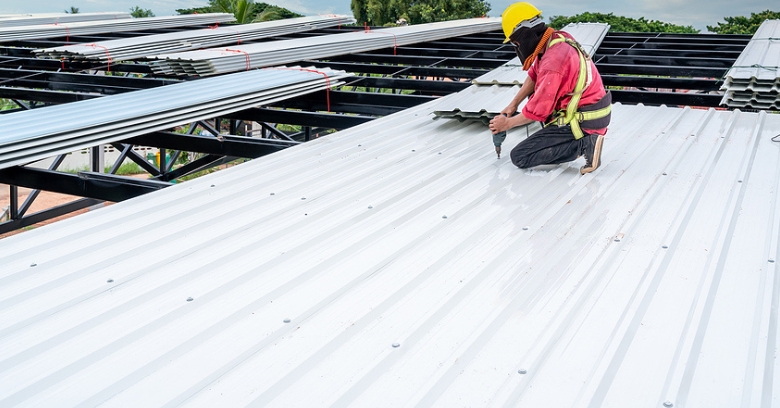
Comparing Commercial Roofer Contractors near Quincy Florida?
PRO Roofing explains what happens on and around a large roof while the building keeps running; the notes below are written for managers and owners
To get a conversation started about a property, reach out at 850-750-9644 and ask whatever comes to mind
Specialists for Flat and Low-Slope Work: Who Does the Work
Large buildings bring large roofs, and the work is organized around the size of the surface; the materials are rolls, boards and drums rather than small bundles. The trade splits between steep-slope work and low-slope work, and each has its own methods; some crews do both, while others focus on one. Contract details, building access and tenant schedules are the topics that matter most; the schedule is built around the building's busiest hours. Property teams who compare Commercial Roofers Near Me usually look for a nearby crew that is accustomed to working around active businesses.
The First Walk Across the Roof: Seeing the Whole Picture
The crew studies the ways onto the roof, such as interior hatches, fixed ladders and exterior stairs; photos record the condition of the roof before work begins. The crew marks every rooftop unit, pipe, drain and skylight so the plan covers each one; drains are checked for blockages and condition. A good site survey produces a summary that a manager can read and keep; the plan can be compared with other proposals. Property teams who compare Commercial Roofer Contractors tend to want a clear scope from commercial roofer contractors.
Getting Material Up and Debris Down: Planning the Lift
A commercial reroof calls for a steady supply of heavy material, hoisted to the roof in planned lifts; hoisting is timed to avoid peak traffic. A chute, hoist or crane handles the waste material that leaves the roof; neighbors and tenants are warned when large pieces come down. Careful logistics are what separate a well-run commercial job from a chaotic one; a site plan shows where each truck and bin will sit.
Perimeters, Skylights and Open Edges: Guarding the Edge
The edges of a big flat roof are a danger even though the surface looks level and calm; the safety plan is written down and discussed at the start. Safety equipment is inspected daily, and any worn piece is retired; a rescue plan is part of every safety discussion. A roof crew that works safely is one that can be trusted with the rest of the job; visitors are routed away from the work zone.
Noise, Fumes and Foot Traffic: Sound and Smell
Stores, clinics and offices keep operating through a roof job, and the crew adapts its schedule; work zones are staged so that one area at a time is open. Odors from roofing products are controlled by planning where the work happens relative to air intakes; a plan for ventilation is discussed beforehand. Walkways are protected with barriers and covered passages so that no one has to pass under active work; a point of contact is available for any complaint. Business people who type Commercial Roofer Repair Services tend to want a plan that keeps customers and tenants comfortable.
The First Hours After Water Appears: Quick Steps
Water indoors calls for fast action to protect what is below; buckets, plastic sheeting and absorbent pads buy time. Leak response means finding the entry point and covering it so that no more water gets in; follow-up visits confirm that the patch is holding. A clear explanation of the cause helps the manager decide on repair, restoration or replacement; the roof may need a full survey.
HVAC Technicians and Roofers on the Same Roof: Details at the Curb
Mechanical equipment is part of almost every commercial roof, so the roofing plan includes it; cracks in old sealant are sealed or rebuilt. The roofer and the mechanical contractor plan the steps together, so nothing is left loose or leaking; the order of work is agreed in advance. Marked paths direct technicians to their equipment without crossing fragile areas; tools and parts are not dropped on the membrane.
Working With a Gulf Sky: Daily Decisions
Afternoon thunderstorms arrive quickly in summer, so crews open only as much roof as they can close before the rain; membranes cannot be installed over wet surfaces. High heat affects both the crew and the materials, since adhesives, sealants and membranes behave differently when it is hot; breaks are scheduled to keep the crew alert. When a storm threatens, work stops, material is tied down and the roof is left as watertight as possible; the property manager is told what steps are taken.
Records, Reports and Communication: What to Expect
On a large job, the crew keeps a daily record of what was done, what was found and what comes next; photos show conditions before and after each stage. A manager does not need technical jargon, only a clear account of what is happening on the roof; a file of photographs is useful many seasons later. A complete record at the finish makes future decisions simpler; a short care guide covers drains, traffic and cleaning. Property teams who compare Commercial Roofer Services usually look for firms that report progress without being asked.
How to Compare Contractors on Practical Grounds: Clear Answers
Ask how the crew plans to reach the roof, protect the building and keep operations running; the answers should refer to the building at hand. Experience with the same type of roof and the same type of business is a good indicator; photos of earlier projects show the quality of the work. The right crew is the one that understands the building, the business and the roof; a rushed decision is the one most often regretted.
Briefings, Radios and Clear Roles: Everyone Knows the Plan
Good supervision is the thing that keeps a large crew from working at cross purposes; any change to the plan is passed along before the work moves on. Building staff benefit from having a single point of contact, so questions do not bounce between several people; a quick call settles a question that might otherwise stall the job. The habits learned on the roof carry over to every later job; a tidy site is a sign of good training.
Handing the Roof Back to the Owner: the Final Details
Before leaving, the crew sweeps the roof, empties the work area and removes every bin and pallet; leftover material is hauled away or stored as agreed. Small details such as a missed bead of sealant or a loose edge strip are caught and corrected in the closing days; seams and edges are checked one more time. The closeout ends with a walk across the roof together with the manager and a written summary of what was done; recommendations for care are put in writing.
Where to Go From Here: Final Thoughts
For Commercial Roofer Contractors in Quincy Florida, the main points are a careful survey, a safe setup and plain communication. To have a crew walk the roof and explain the plan, call PRO Roofing at 850-750-9644.
Verified

Verified
Verified
Verified
Verified

















