
Getting ready to hire Commercial Roofer Contractors near Tallahassee Florida?
PRO Roofing covers the practical side of commercial roof work, the part that is rarely written down; the notes below are written for managers and owners
To get a conversation started about a property, reach out at 850-750-9644
Not Just a Bigger Version of a House Roof: Who Does the Work
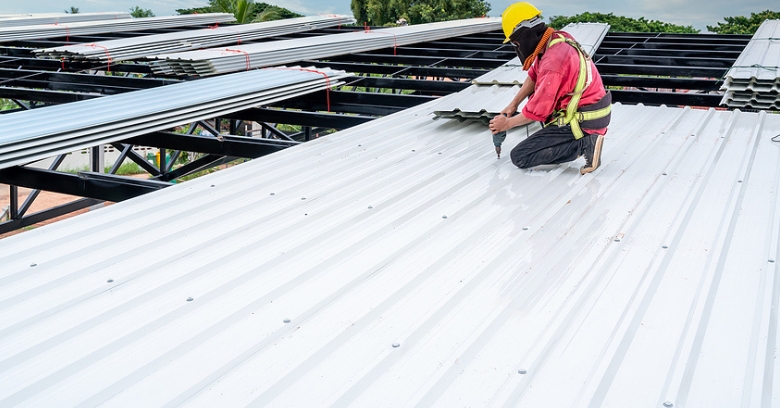
Everything about a commercial job is scaled up, from the crew size to the number of deliveries; the tools include welders, rollers and seam probes. The skills for sheet membranes, adhesives and heat welding are a separate branch of the trade; some crews do both, while others focus on one. Property teams care about how the job will affect daily operations, and a good contractor addresses it first; the schedule is built around the building's busiest hours. Business people who ask about Commercial Roofers Near Me often want to find commercial roofers close to their building and available for a site visit.
What a Site Visit Covers: Seeing the Whole Picture
On the first visit, a commercial crew checks how people and materials will reach the roof, whether by ladder, hatch or exterior stair; stacks of material need a place to be staged. The crew marks every rooftop unit, pipe, drain and skylight so the plan covers each one; stacks and pipes need their own flashings. After the walk, the crew puts the plan on paper and shares it with the property manager; anything unclear is easier to settle before work than during it. Property teams who compare Commercial Roofer Contractors usually look for firms that put the findings in writing.
Getting Material Up and Debris Down: Keeping Traffic Moving
Large jobs involve many pallets of insulation, rolls of membrane and drums of adhesive, and each load has to reach the roof; a crane or boom truck may be set up in a parking area. A chute, hoist or crane handles the waste material that leaves the roof; neighbors and tenants are warned when large pieces come down. Careful logistics are what separate a well-run commercial job from a chaotic one; a site plan shows where each truck and bin will sit.
The Rules That Protect Rooftop Crews: the Safety System
A flat roof looks safe, but open edges, skylights and hatches are real hazards on any large building; the safety plan is written down and discussed at the start. A harness, lanyard and anchor system is part of the daily gear on a commercial site; training sessions cover the proper use of every piece. Careful crews protect the building, the staff and the visitors below; falling objects are controlled with netting and barricades.
Noise, Fumes and Foot Traffic: Making It Livable
Most commercial jobs take place while the building is in use, so the crew plans around the hours when people are inside; tenants receive notices ahead of any loud or smelly work. Odors from roofing products are controlled by planning where the work happens relative to air intakes; a delay in the schedule beats a complaint from tenants. Walkways are protected with barriers and covered passages so that no one has to pass under active work; the crew keeps its trucks and bins out of customer parking. Business people who type Commercial Roofer Repair Services tend to want a plan that keeps customers and tenants comfortable.
The First Hours After Water Appears: Safety Inside and Out
When water enters a store or warehouse, the first goal is to protect inventory, equipment and electrical systems; buckets, plastic sheeting and absorbent pads buy time. The roofer's job is to find the opening and make a temporary repair, even if the full fix has to wait for better weather; follow-up visits confirm that the patch is holding. A clear explanation of the cause helps the manager decide on repair, restoration or replacement; maintenance steps are put on the calendar.
Coordinating With Rooftop Equipment: Details at the Curb
Mechanical equipment is part of almost every commercial roof, so the roofing plan includes it; the membrane is turned up the sides of each curb. Lifting a unit requires a crane and a specialist trade, which the roofing plan accounts for; a shared checklist covers disconnections and restarts. Marked paths direct technicians to their equipment without crossing fragile areas; a record of roof condition after the work gives a baseline.
Summer Storms, Heat and the Work Calendar: Risk and Readiness
Afternoon thunderstorms arrive quickly in summer, so crews open only as much roof as they can close before the rain; temporary seals are kept ready for any section left unfinished. Adhesives set faster in the heat, so the crew adjusts the pace and the amount applied at once; the mix of tasks changes through the day. Before hurricane season, a careful crew secures loose material, clears the roof and plans how to protect an unfinished job; staging areas are chosen away from low spots.
Keeping Managers in the Loop: Clear and Timely
Daily summaries describe the work completed, the weather and any problems encountered; photos show conditions before and after each stage. Clear writing is a sign of a well-run job; managers can pass the reports along to owners and boards. A final walk-through with the manager confirms that the work is done and the site is clean; the file becomes a baseline for future inspections. Readers who ask about Commercial Roofer Services often want commercial roofer services that include clear records and updates.
How to Compare Contractors on Practical Grounds: Beyond the Basics
Look for specific answers about staging, supervision and scheduling; a walk of the roof before the conversation makes everything clearer. Past work on similar properties tells a lot about how a crew will handle yours; references can be requested and called. The right crew is the one that understands the building, the business and the roof; written proposals make comparison easier.
Briefings, Radios and Clear Roles: Leadership on Site
On a big roof, one supervisor keeps the schedule, the safety rules and the quality of the work in view at the same time; each person knows which section of the roof is theirs. When a manager has one name and one number for the job, answers come faster and misunderstandings drop; changes to access routes are announced in advance. Experienced crews pass on their habits to newer workers, and the supervision shows in how the roof looks at the end of the day; the crew learns the particulars of each building as the work goes on.
Cleanup, Closeout and the Final Walk: Nothing Left Behind
The final stage of a commercial job is a thorough cleanup of the roof surface, the drains and the grounds below; magnetic sweepers collect nails and screws from the parking area. A punch list is a short list of small items still to be corrected, and a good crew works through it before the final walk; the crew returns for any item that cannot be finished in one visit. Handing over the roof includes a brief explanation of what to watch and when to call; the roof is ready for its first rain with everything in place.
Before Picking Up the Phone: Final Thoughts
Anyone sorting out Commercial Roofer Contractors in Tallahassee Florida will make better choices after seeing how crews plan access, safety, deliveries and communication. To have a crew walk the roof and explain the plan, call PRO Roofing at 850-750-9644.
Verified

Verified
Verified