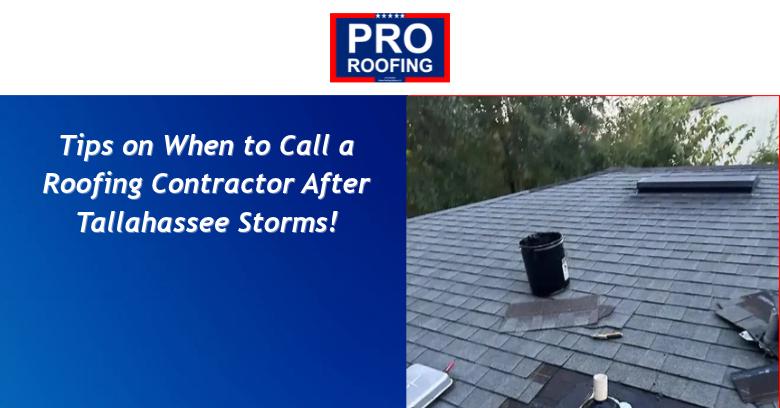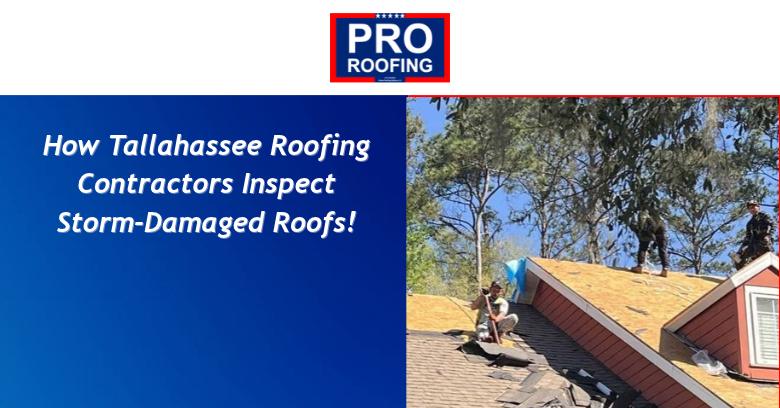

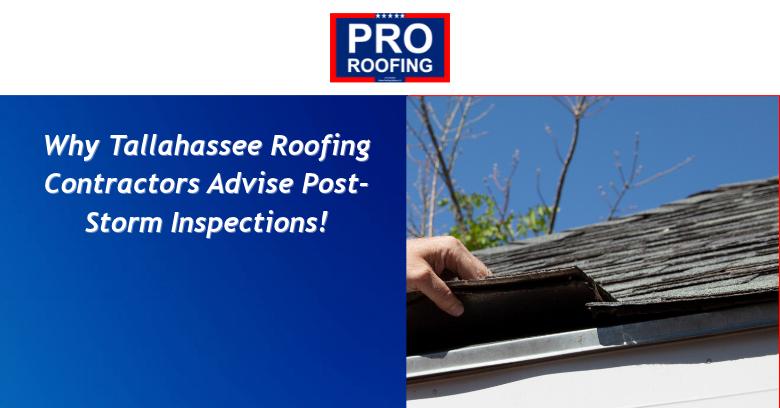
A line of thunderstorms moves through, the power blinks back on, and the roof looks the same as it did the day before. That's when most storm damage goes unnoticed. A roofing contractor who runs post-storm calls around Tallahassee, Florida, will say the expensive failures are the ones nobody can see from the driveway: shingles still in place but no longer bonded, nails backed out a quarter inch, a pipe boot split by years of sun and finished off by a single gust.
Timing matters more than it used to. Florida law gives property owners one year from the date of loss to file a new windstorm or hurricane claim, and 18 months for a supplemental claim. That is a far shorter window than the three years homeowners once had. Waiting for a ceiling stain to prove the point can cost the claim outright, and the stain often shows up two storms later.
This article covers what an inspector looks for after wind and hail, how the state's repair-versus-replacement rules work now, when a deductible makes a claim worth filing, what the local tree canopy does to roofs, and what to ask before typing roofer near me into a phone.
What a Roofing Contractor Looks for After a Storm
Damage You Can't See From the Driveway
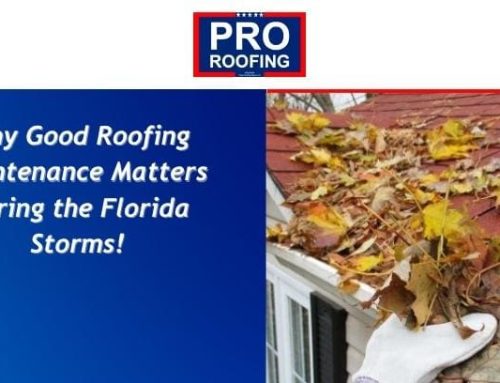
Asphalt shingles stay in place because a thermal sealant strip bonds each course to the one below it. Winds with gusts between 50 and 70 mph can break the bond without tearing any tabs. The shingle sits there looking perfect, unsealed, waiting for the next storm to peel it back. A roofing contractor checking homes between Tallahassee and Midway, Florida, after a summer microburst finds this constantly, and it is the single best argument for an inspection when nothing appears wrong.
The other quiet failure is the neoprene pipe boot. In North Florida sun, boots typically crack between years eight and fifteen. Wind does not cause that, but wind-driven rain finds it immediately.
Diagnostic Signs an Inspector Documents
A thorough post-storm assessment covers the field, edges, penetrations, and attic side. Signs worth photographing include:
- Creased or folded shingle tabs, which indicate the shingle was lifted and laid back down
- Exposed or backed-out nails, and nail heads that have torn through the shingle mat
- Granule piles in gutters and at downspout outlets, beyond the normal shedding of a new roof
- Lifted drip edge, torn hip and ridge cap, or displaced starter strip
- Cracked or hardened neoprene pipe boots, damaged step and counter flashing, and dented valley metal
- Separated gutter spikes or hangers, blown soffit panels, and bruised ridge vents
Dated photos, the storm date, and any damaged material you saved all strengthen a file later.
Why the Claim Clock Runs Faster Now
Florida's claim rules changed significantly, and homeowners often rely on outdated advice. The headline changes are the one-year deadline for new windstorm claims and the 18-month supplemental deadline. Assignment of Benefits agreements for residential property claims were eliminated in 2023, so a homeowner can no longer hand the claim to a contractor and step back.
Roofing contractors face limits on what they can do on the insurance side. A contractor cannot offer to pay or waive your deductible, and cannot adjust or negotiate a claim without a public adjuster license. Anyone knocking on doors in Tallahassee, Florida, offering a "free roof" with no out-of-pocket cost is describing something the statute does not allow.
Repair or Replace Under Florida's Rules
The 25% Rule, Softened
For years, damage to more than 25 percent of a roof surface forced a full replacement. That rule was softened: if the existing roof was built to the 2007 Florida Building Code or later, repairs covering more than 25 percent of the surface no longer automatically trigger a full tear-off. Plenty of repairable roofs were replaced under the old reading, so it is worth asking which code cycle your roof falls under.
What Re-Roofing Triggers
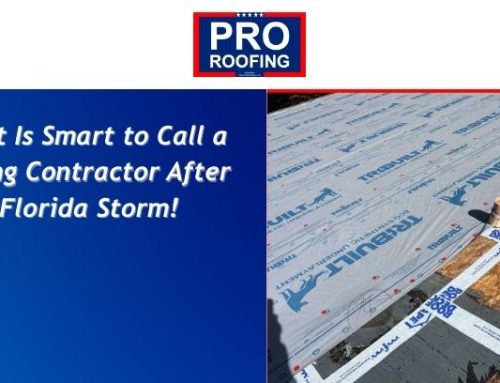
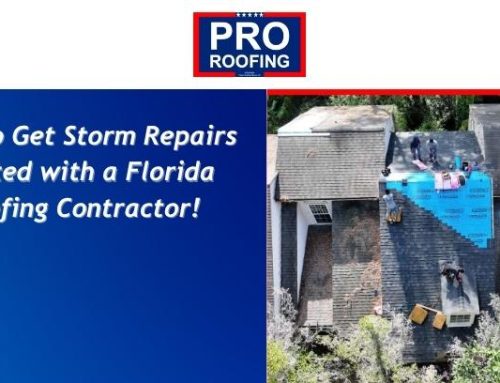
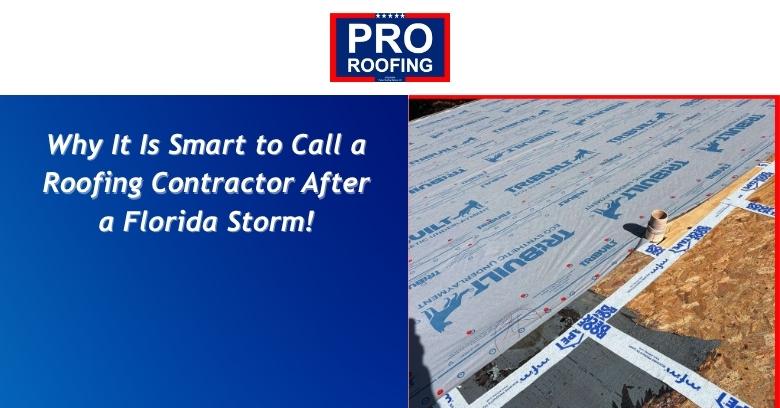
When replacement is the right call, the code brings retrofits with it. A re-roof commonly requires a secondary water barrier, deck re-nailing (often 8d ring-shank nails at 6 inches on center at edges and in the field), and FBC-approved drip edge. Those upgrades add labor, but they also feed wind mitigation credits.
Permits route through City of Tallahassee Growth Management or Leon County Development Support, while a job in Midway, Florida, falls under Gadsden County. A roofing contractor working across North Florida should know which office handles which address before the tear-off starts, because an unpermitted re-roof becomes a problem at resale.
Deductibles, Costs, and Whether to File
The deciding question is rarely whether is there damage; it is wh ether the damage is bigger than the deductible. Hurricane deductibles are typically 2 percent of Coverage A, so a $350,000 dwelling carries roughly a $7,000 hurricane deductible, against a flat all-other-perils deductible that commonly runs $1,000 to $2,500.
Set that against market pricing. Targeted repairs generally run $450 to $1,800. Architectural shingle replacement runs roughly $4.75 to $8.50 per square foot installed, so a 2,000-square-foot roof typically falls between $12,000 and $28,000. Modified bitumen and built-up systems on low-slope sections usually run $7 to $13 per square foot, and 5-inch to 6-inch K-style aluminum gutter runs about $8 to $16 per linear foot. If a microburst costs you three pipe boots and a ridge cap, filing a claim against a $7,000 hurricane deductible makes no sense, and a roofing contractor in Tallahassee, Florida, should say that plainly instead of filing the claim anyway.
One more number worth knowing: the wind mitigation form, OIR-B1-1802, is valid for five years. Roof shape, a secondary water barrier, and the deck nail pattern drive its credits.
Tree Canopy, Rainfall, and the Local Storm Record
Leon County sits inland, with design wind speeds around 120 to 130 mph under Risk Category II and Exposure B, so high-velocity hurricane zone rules don't apply here. That does not make roofs safe. The canopy of live oaks, water oaks, and pines means limb strikes, punctures, and clogged valleys are as common as wind uplift, and water oaks are notoriously brittle.
Rainfall compounds it. The area averages roughly 59 to 61 inches a year, concentrated from June through September, the same stretch when pop-up thunderstorms throw 40 to 60 mph microbursts with no named storm attached. Those events produce claimable damage.
The record backs it up: Hermine in 2016; Michael in 2018, with heavy damage toward Quincy and Chattahoochee; Idalia in 2023; the May 2024 tornado outbreak that caused EF-1 and EF-2 damage across the city; and Helene in 2024. Homes in Midway, Florida, sat in the path of several of those systems. Architectural shingles rated for 25 or 30 years often deliver closer to 15 to 22 years in this heat and UV, so an older roof enters each season with less margin.
How to Choose a Roofing Contractor After a Storm
Storms bring crews from out of state, and some of them leave before the first leak shows. Before you hire anyone from a local roofer search, work through a short list:
- Confirm the company is licensed and insured, with liability and workers compensation coverage, so you're protected if someone gets hurt on your property.
- Check an independent rating. PRO Roofing, operating as Parker Roofing Options, holds an A rating with the Better Business Bureau.
- Ask for a written scope: shingle line, underlayment type, flashing, boots, ridge vent, and disposal, not a one-line price.
- Verify the contractor pulls the permit in the correct jurisdiction for your address.
- Walk away from any offer to cover or discount your deductible.
PRO Roofing is based in Tallahassee, Florida, serving residential and commercial customers across North Florida and into South Georgia with a hand-selected crew, and offers a free roof assessment so homeowners can review the findings and estimate before committing. For a property owner in Midway, Florida, that means trained eyes on the roof without a line item attached.
The Bottom Line
Storm damage in this region is usually silent at first. Seals break, boots crack, fasteners back out, and the roof keeps looking fine until the next band of rain finds the gap. With a one-year filing window on windstorm claims, a quiet roof is not proof of a sound one. Homeowners in the Tallahassee, Florida, area and out toward Midway are better served by a documented inspection than by waiting.
Get your roof checked after every significant wind event, keep dated photos, and know your deductible before you file. A qualified roofing contractor can tell you in one visit whether you have a repair, a claim, or nothing at all. Skip the rushed roofer near me search after the next storm. Schedule a free roof assessment now, before hurricane season puts your shingles to the test!
Key Takeaways
- Wind can break a shingle's sealant bond at 50 to 70 mph without any visible tearing, so a roof that looks fine may still be unsealed.
- Florida allows one year from the date of loss to file a new windstorm or hurricane claim, and 18 months for a supplemental claim.
- A hurricane deductible of 2 percent on a $350,000 home is about $7,000, which often exceeds the cost of a targeted repair.
- Roofs built to the 2007 Florida Building Code or later are no longer forced into full replacement when repairs exceed 25 percent of the surface.
- Contractors may not pay or waive your deductible, and may not negotiate your claim without a public adjuster license.
Frequently Asked Questions
The Roof Isn't Leaking. Is There Anything to Find?
Often, yes. The most common post-storm condition is an unsealed shingle that is still lying flat, which leaks nothing until the next strong wind lifts it. Roofs that have never dripped can still have creased tabs, backed-out nails, and granule loss in gutters.
How Long After the Storm Can I Still File?
You have one year from the date of loss for a new windstorm or hurricane claim, and 18 months for a supplemental claim. That window is shorter than the three years Florida once allowed, so an inspection soon after the event protects your options.
Can the Roof Be Repaired, or Does the Whole Thing Have to Go?
It depends on the extent of damage and which code cycle your roof was built under. Roofs meeting the 2007 Florida Building Code or later can take repairs covering more than 25 percent of the surface without triggering a full replacement.
Should I Tarp the Roof Myself?
Only if it is safe and water is actively entering the home. Wet shingles, steep slopes, and hidden soft decking cause serious falls, and an improperly fastened tarp can create new penetrations. Photograph the damage first, then call for emergency coverage.
What Is a Wind Mitigation Inspection and Why Does It Matter?
It is a documented review of roof shape, deck attachment, and water-barrier features, recorded on form OIR-B1-1802, and it remains valid for five years. Hip roof geometry, a secondary water barrier, and an upgraded nail pattern drive insurance premium credits.