
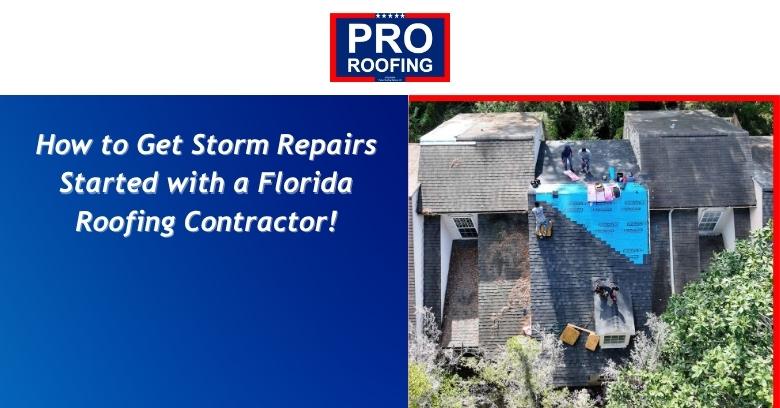
When storm clouds gather over Tallahassee or Quincy Florida, homeowners and business owners alike brace themselves for what might come next including high winds, torrential rains, and sometimes hail or flying debris. While you cannot always predict when the next big storm will hit, you can make sure you are ready to recover fast and making the right connection with a trusted roofing contractor is the first critical step.
If you have never dealt with roof damage before, the whole process can feel overwhelming. You might be staring up at missing shingles, leaks dripping onto your living room carpet, or wondering what to do first. Maybe you are sorting through lists of roofing contractor in Tallahassee Florida or roofing specialists in Quincy, trying to find someone trustworthy, responsive, and local. Do not worry because you are not alone and this guide is designed to walk you through every step from disaster to recovery.
Storm repairs involving your roof are unique because time is of the essence. Leaving even seemingly small problems unaddressed can lead to bigger issues: water intrusion, structural damage, and the potential for mold growth. Yet rushing into a contract with the first company that returns your call can be risky. In Florida, unscrupulous contractors sometimes swoop in after storms, so vigilance pays off.
But with the right preparation and an understanding of how reliable roofing contractors work, storm repairs can move forward efficiently and with minimal stress. In this article, we will look at what you should expect when reaching out to a roofing contractor in Tallahassee or Quincy, how the repair process typically unfolds, and what critical mistakes to avoid. We will cover best practices for checking out local professional roofers, navigating insurance claims, and staying involved in the project without getting lost in technical jargon.
You will learn the pros and cons of various repair strategies, how to spot storm-related damage even if it is not obvious, and why working with a contractor who truly knows the Florida roofing landscape is so important. Whether your roof is a simple asphalt shingle system or a more complex tile or metal setup, working proactively will help protect your home, your family, and your peace of mind.
So let's get started because when storm season hits, preparation is your best friend!
The Importance of Acting Fast: Why Storm Repairs Cannot Wait
Every Floridian knows our weather can turn on a dime. Whether it is thunderstorms, hurricanes, or even the odd hailstorm, the aftermath often leaves property owners scrambling. The moment you suspect storm damage, your first call should be to a qualified roofing contractor. Why? Because even small leaks can grow rapidly, leading to mold, warped wood, and interior damage that costs much more to repair.
Roofing contractors in Tallahassee Florida and neighboring areas like Quincy are experienced in responding quickly to these situations. Local experts understand the components of a typical Florida roof, plus the most common failure points after a storm. Speedy action also matters for your homeowner's insurance; most policies require prompt reporting and mitigation to prevent further damage.
Spotting Storm Damage: What to Look For
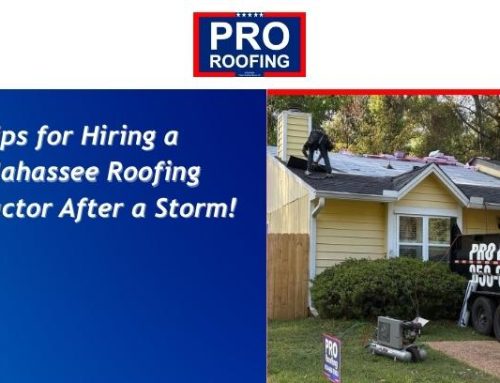
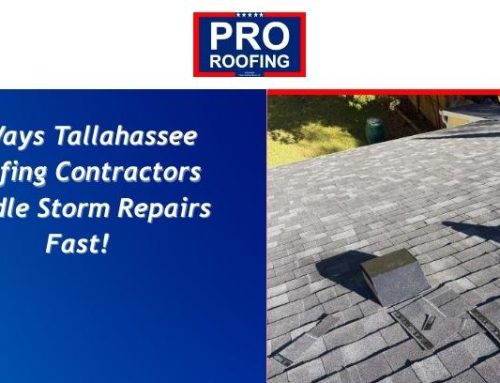
While some storm damage is painfully obvious such as missing or torn shingles, dangling gutters, or tree limbs sitting on your roof, other signs can be subtle. Look for:
- Granule loss: Check your gutters and downspouts for excessive shingle granules after heavy rains or hail.
- Dented metal flashing: Hail can dent or crack metal pieces around chimneys and vents.
- Hidden leaks: Water stains on ceilings or interior walls can appear days or even weeks after the initial storm.
Your roofing contractor will perform a comprehensive inspection, often with photos and videos, to document every area of concern before repairs begin. In Tallahassee and Quincy Florida, reliable contractors also know to check for code compliance, a crucial factor if a full replacement is needed.
Choosing the Right Roofing Contractor in Tallahassee and Quincy
Not all roofing contractors are created equal. A local presence in Tallahassee Florida or nearby Quincy means faster response and a more extensive knowledge of materials and techniques that work for Florida's humid, storm-prone climate.
What to Look for in a Roofing Contractor
- Licensing and Insurance: Verify that your chosen contractor has a Florida roofing license, which is required by law, and carries both workers compensation and liability insurance.
- Local References: Ask for referrals from Tallahassee or Quincy homeowners who faced similar storm repair needs.
- Experience with Storm Repairs: Not every roofer is an expert in storm restoration as this specialty requires an understanding of both repairs and insurance requirements.
- Clear Estimates and Contracts: A detailed, written proposal that explains the scope, timeline, and materials avoids surprises.
Quick tip: Do not be afraid to interview several roofing contractors. The best companies welcome questions and provide patient, transparent answers.
Beware of Storm Chasers
After major storms, storm chasers or out-of-town contractors who follow disasters for quick profits often flood the Florida market. They may offer unrealistically low prices, ask for large upfront payments, or lack proper licensing. Always check a contractor's local address and history before signing anything.
Understanding the Storm Repair Process
Once you have chosen a reliable roofing contractor in Tallahassee or Quincy, you will follow a process designed to restore your roof as efficiently as possible.
Step 1: Initial Contact and Emergency Services
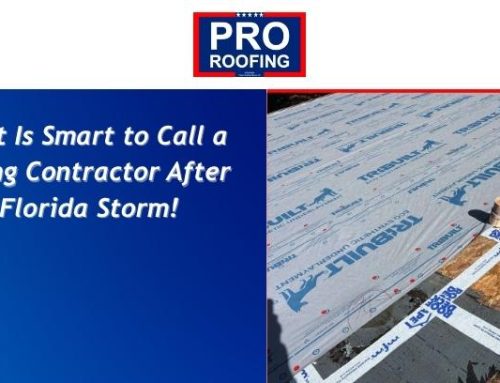
If the damage is severe or your home is exposed, your contractor may recommend emergency tarping or temporary repairs to prevent further water intrusion. These are quick fixes, not permanent solutions, but they are invaluable for insurance and safety.
Step 2: Damage Assessment and Documentation
Your roofer will conduct a detailed inspection, inside and out, documenting every issue with photographs and sometimes drone footage. This thoroughness helps when dealing with insurance adjusters and makes certain that nothing gets missed.
Step 3: Insurance Coordination
Most Florida homeowners carry storm coverage, but claims can be tricky to navigate. A great roofing contractor will work with you and sometimes directly with your insurance company so that all storm-related repairs are covered.
Step 4: Estimate and Contract
Once the scope of work is agreed upon, you will receive a thorough estimate outlining all labor and materials. Make sure you understand:
- What repairs are included such as shingles, underlayment, flashing, and other material
- The anticipated timeline
- Payment milestones - never pay in full upfront!
Step 5: Repair or Replacement
Depending on the extent of the storm damage, your roofing project may be a targeted repair or a full roof replacement. Reliable contractors use top-quality materials appropriate for Florida's climate and secure all necessary permits.
Step 6: Final Inspection and Warranty
No reliable roofing contractor will consider the job done until it passes a final inspection. You will receive documentation of the completed repairs and details about your warranty.
Pros and Cons of Storm Repairs vs Complete Roof Replacement
Not all storm damage requires a new roof and here is how to weigh the options:
Storm Repairs: The Pros
- Faster and Cheaper: Targeted fixes can be completed quickly, minimizing disruption and cost.
- Minimally Invasive: Only damaged sections are repaired, leaving the rest of your roof intact.
- Insurance-Friendly: Most policies cover spot repairs as long as the roof's overall serviceable life remains solid.
Storm Repairs: The Cons
- Patchwork Appearance: If your shingles are older, new materials may not blend perfectly.
- Potential for Future Issues: If hidden weaknesses are not spotted, trouble could arise down the line.
- Limited Warranties: Repairs usually come with shorter coverage compared to new installations.
Full Roof Replacement: The Pros
- Fresh Start: A brand-new roof means peace of mind for years to come.
- Uniform Appearance: No patchwork or mismatched sections.
- Stronger Codes: New installations must meet current wind and weather codes, which are especially tough in Florida.
Full Roof Replacement: The Cons
- Cost: Upfront expenses are higher, though sometimes insurance may cover most of it.
- Time: Replacement takes longer, expect a few days of disruption.
- Decision Fatigue: You will choose colors, materials, styles, and more, decisions can feel overwhelming.
Talk with your roofing contractor to see which approach makes the most sense for your specific situation.
The Role of Local Expertise: Why Tallahassee and Quincy Matter
Florida's unique weather patterns and building codes mean a local touch matters. Roofing contractors in Tallahassee and Quincy are familiar not just with materials, but also with the bureaucratic hoops involved with permitting, HOA requirements, and storm-specific code upgrades. Trusting a local expert ensures:
- Faster response time
- On-hand knowledge of preferred materials
- Relationships with local suppliers and inspectors
- Better warranty and support if future issues arise
Local roofers also often have established, verifiable reputations, making them a safer bet than fly-by-night outfits.
Staying Involved and Informed
The best results come from collaboration. Do not be afraid to ask questions throughout the process. Be present during inspections, review the written contract thoroughly, and double-check that cleanup is included in the scope of work. With a reliable roofing contractor focused on service, you will stay in the loop without having to sweat the technical details.
Conclusion
Storm repairs can be daunting, but they do not need to be a nightmare. By choosing an experienced roofing contractor in Tallahassee or Quincy Florida, one that is licensed, insured, and deeply familiar with the local roofing landscape, you will know that the job gets done quickly, correctly, and safely. Acting fast after a storm, understanding the repair process, and working with someone you trust are the keys to getting your roof and your peace of mind back.
Remember, the investment you make now to protect your roof pays off for years to come. Do not wait until that small leak becomes a big problem. Reach out to a local roofing expert serving Tallahassee and Quincy Florida today and get your storm repairs started the smart way!
Key Takeaways
- Act Quickly After Storms: The sooner you connect with a qualified roofing contractor in Tallahassee or Quincy Florida, the faster you can prevent further interior and structural damage.
- Choose Licensed, Local Contractors: Always verify licensing, insurance, and a strong local reputation. Local roofers are more familiar with Florida's unique codes and materials, leading to higher-quality repairs.
- Thorough Inspections Matter: Do not settle for a cursory glance. A reliable roofing contractor will provide a detailed assessment, including photos and documentation to support insurance claims.
- Understand Your Insurance: Navigating storm claims can be complex. Many top roofing contractors will work directly with you and sometimes your insurer so that you get maximum coverage for repairs.
- Interview Multiple Contractors: Do not just hire the first company you find online. Take the time to ask questions, get estimates, and compare warranties and references from other homeowners in Tallahassee or Quincy.
- Beware of Storm Chasers: After severe weather, out-of-town contractors may swarm the area with quick-fix offers. Stick with local experts you can verify through reviews and credentials.
- Repairs vs Replacement: Know the pros and cons of targeted repairs versus a full roof replacement. Consult with your roofer about the best approach for your property, budget, and future plans.
- Stay Involved: Presence and participation help avoid miscommunications. Review all documentation, ask for updates, and clarify warranties before signing off on your project.
- Check for Permits and Compliance: Be certain your contractor pulls the necessary permits and meets all Tallahassee or Quincy building codes. This protects you if you sell your home, you will know it included quality workmanship.
- Proactive Maintenance Pays Off: Even after storm repairs, schedule regular roof inspections. Preventive maintenance will extend your roof's serviceable life and reduce headaches next time severe weather strikes.
FAQs
1. How do I find a reliable roofing contractor in the Tallahassee Florida, area?
Start by checking for proper Florida state licensing and adequate insurance. Seek local references, read reviews, and avoid contractors that solicit door-to-door after storms without verifiable local credentials.
2. What signs of storm damage should I look for on my roof?
Look for missing shingles, dented flashing, granule buildup in gutters, and water stains on ceilings or walls. Some damage may be hidden, so schedule a professional inspection for a thorough assessment.
3. How soon after a storm should I contact a roofing contractor?
Call right away as waiting increases the risk of leaks and further interior or structural damage. Many local contractors in Tallahassee and Quincy provide emergency tarping or temporary repairs to prevent additional issues.
4. Will my homeowner's insurance cover storm roof repairs or replacement?
Most policies do, but the details vary. A trustworthy roofing contractor will help document the damage and may help you navigate the claim process with your provider.
5. Can I get multiple estimates for storm repair work?
Absolutely. It is wise to get at least two or three written estimates from reliable roofing contractors in your area. Compare scope of work, materials, timelines, and warranties.
6. What should I avoid when hiring a roofing contractor after a storm?
Avoid contractors who pressure you for an immediate decision or request full payment upfront. Also, steer clear of those unable to provide proof of licensing, insurance, or local references.
7. Are storm repairs enough or should I consider a full roof replacement?
It depends on the extent of the damage, the roof's age, and your long-term plans. Small, isolated issues might only need repairs, but widespread or structural damage could require a complete replacement. Consult your contractor for guidance.
8. How long does storm roof repair or replacement typically take?
Storm repairs can often be completed in a day or two, while full replacements may take several days depending on size and weather. Local contractors will provide realistic timelines specific to your situation.
9. What warranties can I expect from a storm roofing project?
Repairs often come with shorter warranties of 1 to 3 years, while new installations may offer up to 10 to 30 years. Always get warranty details in writing before the project begins.
10. How do Tallahassee and Quincy roofing contractors handle cleanup after repairs?
Reliable local contractors include thorough cleanup in their contracts, removing debris, nails, and old materials so your property is safe and tidy when the job is done.