

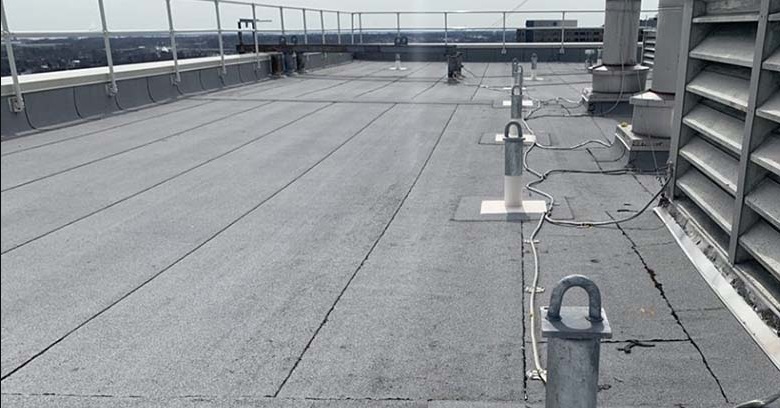
Researching Commercial Roof Installations throughout Tallahassee Florida?
PRO Roofing walks through how each commercial membrane is built and where it fits; the order below follows the layers from the deck up
To ask about a specific roof, dial 850-750-9644 and describe the building
Why Business Roofs Look Different: Terms Worth Knowing
What looks like a flat roof on a business building is really a surface with a slight fall toward the drains; water moves slowly across the surface, so every seam has to be fully sealed. Across the insulation and structural deck goes a membrane, a continuous waterproof layer that is rolled, welded, glued or sprayed in place; each type of membrane has its own way of being joined into one unbroken surface. Business owners tend to use words like flat, low-slope and membrane as if they mean the same thing; knowing the vocabulary makes conversations with a roofer much shorter. Business people who ask about Commercial Roof Contractors and Commercial Roof Installations usually want to find a crew experienced with large low-slope roofs.
Built-Up Roofs, Layer on Layer: What Sits on Top
A built-up roof is made from alternating layers of reinforcing fabric and bitumen, applied one after another; the surface ends up dense, heavy and very tough. On top, crushed stone or a mineral-coated sheet shields the asphalt from the sun; a gravel surface also protects the membrane against foot traffic. The weight of the materials and the heat of the process mean trained crews with proper equipment should handle the job; the procedures are specific, and shortcuts are not an option. People who look up Commercial Roof Maintenance and Commercial Roof Replacement tend to want to hear how many plies make sense for the roof.
EPDM at a Glance: Strengths and Limits
A roof of EPDM rubber needs very few seams, since the sheets come in wide rolls; fewer seams mean fewer places for water to find a way in. Adhesive or seam tape joins the edges of neighboring sheets, which makes each seam the spot worth watching; the bond needs a clean, dry surface to grip. Dark rubber absorbs the sun and can get hot in summer, and a white version is also made; a lighter surface reflects more sun and can cut the load on air conditioning. Managers who look up Commercial Roof Services and Flat Roofs usually want to know how rubber roofs behave in humid summers.
Thermoplastic Sheets That Fuse Together: How It Works
A thermoplastic sheet called TPO is joined at its seams by hot air that melts two edges into a single piece; a welded joint is as strong as the sheet around it. The typical TPO roof is white or pale gray, reflecting a large share of the sun's light; the effect is most noticeable in the hottest months. Heat welds need clean, dry material and steady temperature settings, and that puts a premium on careful installation; weather and surface dirt both change how the weld takes. Readers who look up Flat Roof Companies and Flat Roof Installation often want to find crews who specialize in heat-welded sheets.
Fluid-Applied Protection: Surface Rejuvenation
A coating is a liquid applied over a cleaned roof that cures into a unbroken waterproof surface; a coating adds a fresh layer without tearing off what is already there. Coating performs well only where the roof is structurally sound and is not saturated with water; a moisture survey is the usual way to find out. Preparation decides the result, because cleaning, repairs and seam treatment all come before any coating is applied; skipping the prep leads to peeling and blisters. Owners who ask about BUR Roofs and Built Up Roofs usually look for coating services that fit an aging membrane.
Targeted Repair Work: What Is Involved
Since water runs along the deck and insulation before dripping, a flat-roof leak rarely appears below its source; locating the source takes a careful look at seams, drains and curbs. Typical trouble spots are seams that crack, flashing that wears, sheets that get punctured and sealant that fails around equipment; the patch must be made of material compatible with the existing surface. A roof stays dry longer, and replacement comes later, when small repairs are done on time; keeping water out of the insulation is the main goal of any patch. People who look up Built Up Roof Installation and EPDM Roofs often need to find someone who handles leaks and patches quickly.
Trim, Flashing and Water Exits: Weak Points in Any Membrane
The strongest part of a membrane is the open field, and trouble starts at the edges and around openings; each penetration adds a risk the field does not have. Ponding that stresses every seam is the result when the drains and scuppers meant to carry water off the roof become clogged; standing water adds weight and speeds up wear. Metal edge trim holds the membrane down at the roof edge and sheds water into the gutter; loose trim is the first piece the wind takes in a storm. Managers who look up EPDM Roof Installation and TPO Membrane Roofs often want trained people to detail the edges and openings properly.
The Layers Under the Membrane: Beneath the Surface
Thermal performance comes from rigid insulation boards placed between the deck and the membrane; the boards also create a flat, firm base for the sheet. Wedge-shaped boards of tapered insulation give a level roof a slight slope toward the drains; careful layout puts valleys where drains are located. Once insulation gets wet, it loses its value and holds moisture against the deck for a long time; the only cure is to remove the damp material. People who ask about TPO Membrane Roof Contractors and TPO Membrane Roof Services want a straightforward answer on how replacement is staged.
Heat Loads and Salt Air on a Flat Roof: the Climate Factor
Months of strong sun heat a dark or aged membrane well beyond the air temperature; the daily swing from hot afternoon to cool night works the seams. Flat roofs near the coast grow algae and mildew in the humid air, and ponded water makes it worse; salt in the air also attacks metal edges and fasteners. Afternoon thunderstorms drop heavy rain in minutes, which tests every drain and seam on the roof; a roof that drains well handles sudden downpours without ponding. Managers who search for Flat Roof Coating and Flat Roof Coating Services usually look for companies that plan the work around the rainy months.
Preparing a Flat Roof for Storm Weather: Attachment Methods
Wind flowing over a flat roof creates suction that pulls up hardest at the corners and edges; the roof edge is where storm damage tends to start. Ballasted roofs rely on the weight of stone, which can shift in strong gusts if the layer is thin; the right method is specified for the building, not picked at random. Ahead of hurricane season, seams, edges, drains and rooftop equipment deserve a check to head off the worst problems; a quick walk after a storm finds hidden lifted edges. People who look up Flat Roof Repair usually appreciate a roofer who keeps a record of the condition before the storms arrive.
A Decision Framework for Owners: Questions to Ask
The best membrane depends on the use of the building, roof traffic, the existing deck and the cooling system; no single material is best for every property. Asking a roofer to explain why one system beats another for a specific property reveals a lot; sound reasoning outweighs a sales pitch. Replacement, restoration and repair are three separate paths, and each has its place; a survey sorts the roof into sections that need each approach. Managers who search for Flat Roof Services often want a roofer to explain choices without pushing one material.
Pulling It All Together: Next Steps
Whoever is reading up on Commercial Roof Installations in Tallahassee Florida will find the conversation with a roofer simpler after reading this page. To talk about a specific building, call PRO Roofing at 850-750-9644.
Verified

Verified
Verified
Verified
Verified

















