

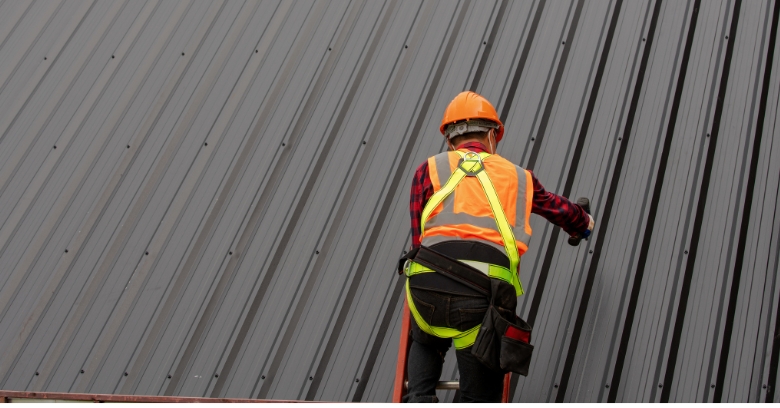
Looking for Metal Roofers throughout Madison Florida?
PRO Roofing takes a close look at how metal panels are measured, shaped and fastened; each stage of the work gets its own section
To set up a visit, reach out at 850-750-9644 and ask whatever comes to mind
A Different Set of Skills: Craft on Display
Installing metal is a separate branch of roofing, with its own tools, techniques and habits; a crooked panel shows from the street. Metal does not forgive shortcuts, since a panel that is cut wrong or fastened badly is hard to hide; seams, laps and trim are checked against the plan. A homeowner or manager can learn a lot by asking how the crew handles layout, seaming and trim; specific details are a sign of real experience. Visitors who compare Metal Roofer Contractors want to know which metal contractors work in their area.
Layout Comes Before Metal: Planning the Cut List
Before any metal is ordered, the crew measures every slope, ridge, valley and edge of the roof; a small error multiplies across many panels. Older homes and commercial buildings often have slight bows or angles that affect panel placement; a long string line shows how true the eave really is. A written list helps everyone know what is coming and where it goes; a spare panel or two covers surprises. Visitors who compare Metal Roofer Services usually look for firms that explain how panels are planned and ordered.
Where the Panels Come From: Making Metal at the Job Site
Some crews bring a portable roll former to the site and make panels as they work; transport problems with very long pieces are avoided. Neither site forming nor shop forming is better in every case, and each has practical advantages; the crew's equipment and experience play a part. Rough handling damages the finish, and a scratched panel is a permanent mark on the roof; loose tools are kept off the surface.
Trim and Flashing Made by Hand: Small Pieces, Big Importance
Skilled crews fold flashing and trim from flat sheets using a brake, producing the exact shape needed; each piece is cut and bent to suit its location. Valleys, vents and chimneys call for custom pieces that cannot be bought off the shelf; sealant is used sparingly and in the right places. Because metal expands and contracts, trim and flashing are designed to move without tearing or opening a gap; the roof stays tight as the temperature changes.
Locking Panels Together: Tools of the Method
Standing seam panels are held to the deck by hidden clips that slide, and the neighboring panel snaps or folds over the top; a measuring check every few panels keeps the lines straight. Snap-lock panels press together by hand, while double-lock panels are folded over with a tool; a wavy seam indicates a problem with the setup. Without horizontal seams, a standing seam roof asks little of its sealant; the length of the panel is limited by what can be handled safely. People who type Standing Seam Metal Roofers want to know who has experience with raised-seam work.
Working With Classic Ribbed Sheets: Fastener Placement
The ribbed sheets overlap at their edges, and screws pass through the high or low points of the waves; the pattern is repeated sheet after sheet. Tightness matters because a screw driven too hard crushes the washer, and one left loose lets water in; loose or tilted screws are replaced right away. Sheet by sheet, the roof either stays straight or drifts, and the early panels decide which; consistent spacing gives a regular, pleasing pattern. Homeowners who ask about Corrugated Metal Roofers want an installer who takes the time to start the first sheet true.
Small Panels, Big Detail: Matching Shape and Pattern
Working with metal shingles feels more like laying tile than hanging long panels; hidden fasteners keep the surface clean. Precision is what separates a smooth metal shingle roof from a wavy one; checking every few rows prevents drift. Many homeowners choose this style to match the character of a house while gaining a lighter-weight roof; ridge and hip caps are shaped to match the pattern. Owners who look up Metal Shingle Roofers usually appreciate an explanation of how the pieces lock together.
Handling Heat and Glare: Working Smart
The surface of a metal roof can be as slick as wet glass when dew or rain is present, and crews adjust their pace; walking on the flat of the pan rather than on the ribs protects the panel. Roof metal gets hot in the afternoon, and bright surfaces send glare into the eyes; sunglasses and light clothing are standard. Metal can cut, and good habits prevent injuries; sheets are carried with care to avoid bending and cuts.
Sealing Every Hole: Keeping the Water Out
Pipes and vents are sealed with boots, collars or curbs designed for metal roofs; the flashing is matched to the shape of the panels. The flashing at the top of a vent diverts water to both sides, protecting the opening; sides are folded up and sealed to prevent seepage. Maintenance on a metal roof is mostly about small seals and fasteners; early action prevents rust and staining.
Holding Panels Down in High Wind: Edges and Ridges
Along the Gulf, the way panels are anchored matters as much as the material itself; loose pieces are the first to go in a strong blow. Inspection after a storm focuses on edges, ridges, penetrations and any place where debris landed; loose screws are replaced or tightened. Quick temporary measures protect the house until proper parts can be installed; follow-up checks confirm that the repair is holding.
What to Ask Before Choosing a Crew: the First Conversation
A practical conversation covers measuring, panel type, fastening and flashing; a walk around the property helps the conversation. An honest explanation of each option helps the owner decide; no decision has to be made on the spot. Courtesy, cleanliness and communication matter nearly as much as technical skill; questions are welcomed at any point.
Cleanup and Finishing Touches on Metal: the Final Walk
On a metal roof, a clean surface is a matter of protection and not only of looks; the roof is inspected from the ground for any streaks. Touch-up paint is applied to nicks, scuffs and exposed edges, so the finish is protected from the start; marks on the trim are treated as carefully as marks on the panels. Together with the owner, the crew checks lines, seams, trim and the cleanliness of the yard; the finished surface should look straight and clean from the street.
Where to Go From Here: Next Steps
For Metal Roofers in Madison Florida, the main points are careful layout, clean details and secure fastening. Call PRO Roofing at 850-750-9644 and describe the project, and the next steps will be explained in plain words.
Verified

Verified
Verified
Verified

















