Looking into Metal Roofing Services throughout Florida Panhandle?
PRO Roofing explains the steps behind a metal roof, from the deck to the ridge.
Reach out at 850-750-9644 to learn how the work is sequenced.
From Measuring to Ridge Cap
Careful installation matters more with metal than with many other coverings, because panels are long and joints are exposed; the stages are simple to follow once the logic of the roof is clear. Trim pieces are bent to fit the edges, valleys and ridges that the building actually has; the building itself decides many of the details, so each job is a little different. Cold-formed trim and field-cut pieces are kept close at hand so the crew rarely leaves the roof; a tidy work area keeps tools and trim from scratching the finish. Owners who type Metal Roofing Installation and Metal Roofing Services into a search box often want a plain description of how panels are installed; each stage is explained in everyday language without jargon.
Preparing the Deck Before Panels Arrive
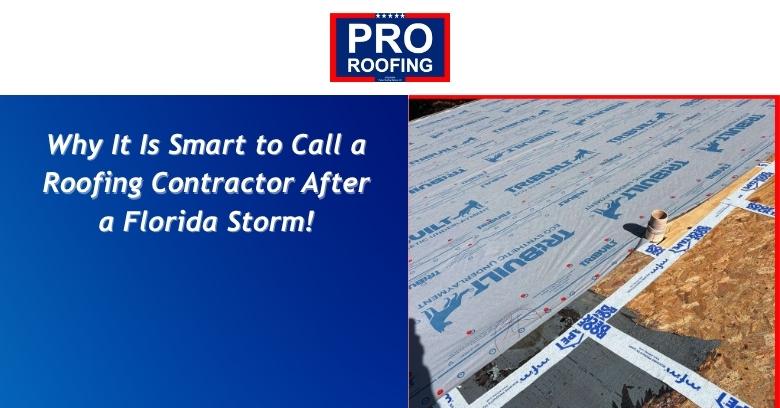
The surface under a metal roof must be flat and solid, since panels follow every bump in the deck; barrier sheets overlap in the direction of the slope so water always runs over the joint. Penetrations like pipes and chimneys get their flashing set before the field panels arrive; every one of the edge parts directs water, and the order of installation decides how well the system works. Cutting is done with shears or a nibbler, not a hot blade that burns the coating; a clean cut leaves the coating whole along the edge. Buyers who browse Metal Roofing Contractors and Metal Roofing Contractors Near Me are frequently asking whether the old covering must come off; the answer depends on the building, and a careful look settles the matter.
Fastening Systems in Plain Terms
Each panel type has its own fastening method, and the installer follows the maker's instructions for that system; fastener spacing and depth matter as much as the fastener itself. Seams are crimped or snapped together along their full length, and checked as the work goes; a straight first panel leads to a straight result. At the ridge, panels are cut to leave a gap for ventilation, and a cap is set over it; the fastening schedule is written on the plan and followed on the roof. Owners who look up Standing Seam Metal Roofing and Snap Lock Standing Seam Metal Roofing tend to be curious about clips and seam height; the system is simple to describe and exact to build.
Heat, Movement and Noise in Metal Roofs
A long panel can grow or shrink a noticeable amount between a cool morning and a hot afternoon; the effect is gentle when the system is built correctly. Solid decking and underlayment dampen the sound of rain, so metal roofs can be quieter than many people expect; heavy summer rain is a regular event, so owners often ask about noise. In the heat of a summer day, metal moves more than in a cool winter morning, and installers plan for the difference; seasonal swings are part of the plan, not a surprise. People who look up Corrugated Metal Roofing and Corrugated Metal Roofing Contractors are usually curious about expansion and fasteners; the details are well understood and easy to explain.
Finishes Built for Coastal Weather
Moist, salty breezes find every scratch and cut edge, which is why finishes matter so much near the water; rinsing salt away now and then helps coatings last. Lighter colors reflect more sun and keep the panel cooler through the afternoon; coastal air asks more of a roof than inland weather does. Sealants chosen for coastal weather stay flexible longer in sun and salt; coastal materials are chosen to match the exposure of each building. People who search for Metal Shingle Roofing and Metal Shingle Roofing Contractors are usually asking how metal holds up in salty, humid air; a few simple habits help the surface last.
Wind, Storm Season and Uplift
Panels along the perimeter often get closer fastener spacing than those in the middle of the field; a long panel acts like a sail if the edge is not secure. Roof-mounted equipment and solar mounts are fastened into solid framing and sealed with care; a quick check after a storm finds any loose trim. Rooftop equipment may be secured or relocated ahead of storm season so it cannot shift in a gust; a roof shaped for wind is easier to protect. People who look up Corrugated Metal Roofing and Metal Roofing Contractors are usually curious about edges and ridge details; strong storms are part of life on the coast, and the roof is designed with that in mind.
Metal on Unusual Roof Shapes
Some metal roofs go over an existing shingle roof on strapping, while others are installed after a full tear-off; a careful look at the attic and the deck settles the matter. Skylights and chimneys need curbs and saddles that guide water around the obstacle; slow, deliberate cutting is better than a fast mistake. A retrofit leaves the old layers in place, which adds weight that the framing must carry; a quick walk through the attic shows how much of the old deck is sound. Owners who type Metal Roofing Installation and Corrugated Metal Roofing into a search box often wonder what a tear-off involves; clear answers come from walking the roof and reading the layout.
Keeping a Metal Roof in Good Shape
A few minutes with binoculars shows loose trim, lifted closures or damaged sealant; the best care is gentle and regular. Trees near the roof are trimmed so branches do not rub the panels; the care routine is simpler than most owners expect. Bird nests and debris under ridge caps should be cleared so water can drain freely; routine care is easier than a repair and takes much less effort. Homeowners who type Metal Roofing Contractors Near Me and Standing Seam Metal Roofing Contractors into a search box often wonder about cleaning and upkeep; a regular look is the best habit an owner can build.
Taking the Next Step
Anyone researching Metal Roofing Services in Florida Panhandle can take the questions about fastening, coatings and wind into that first call. Any question about metal roofing is welcome when you call PRO Roofing at 850-750-9644. Photos of the building and a short list of concerns make the call more useful.