
Researching TPO Membrane Roof Services across Bradfordville Florida?
PRO Roofing sorts the many kinds of flat roof into materials that can actually be told apart; the order below follows the layers from the deck up
To have a roofer look over a building and discuss the options, ring 850-750-9644 and describe the building
Flat Does Not Mean Level: Terms Worth Knowing
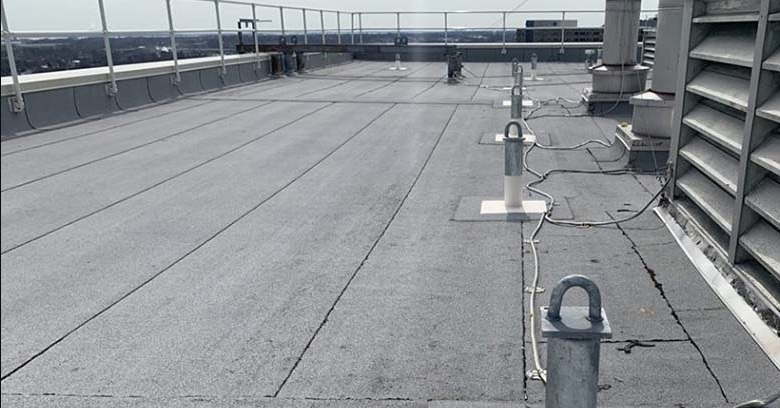
Most stores, offices and warehouses are topped by a surface that looks flat but carries a slight fall toward the drains; a pitch so gentle is the reason membranes are used instead of shingles. The membrane is a single waterproof skin that is rolled, welded, glued or sprayed across insulation and a structural deck; the material decides how seams are formed and how the roof behaves in the sun. People talking about business roofs mix up flat, low-slope and membrane as though the three words meant one thing; a short glossary saves time when a bid or report arrives. Owners who search for Commercial Roof Contractors and Commercial Roof Installations usually want to find a crew experienced with large low-slope roofs.
The Classic Tar and Gravel Roof: What Sits on Top
The built-up method alternates layers of reinforcing fabric with layers of bitumen, laid down in sequence; redundancy is the point, since one weak spot is backed by the layers beneath. Gravel or a mineral-surfaced cap sheet typically tops the roof to protect the asphalt from sunlight; granules and stone slow the aging that heat would otherwise speed up. The weight of the materials and the heat of the process mean trained crews with proper equipment should handle the job; open flame or kettles are used only by people who know the safety steps. Readers who search for Commercial Roof Maintenance and Commercial Roof Replacement want to learn how the classic system compares with newer sheets.
Black Rubber Sheets in Large Rolls: What It Is
Wide rolls of synthetic rubber, called EPDM, cover a large roof area with very few seams; a single pass can cover broad sections. Neighboring sheets are joined at their edges by adhesive or tape, and that joint deserves the closest attention; careful cleaning before the joint is made decides how long the joint holds. On a summer afternoon, black rubber takes in heat and runs hot, while white versions exist; the choice depends on how the building is cooled. Readers who type Commercial Roof Services and Flat Roofs often want to learn whether rubber sheets are available locally.
Reflective Roofing Explained: Why Welds Matter
TPO is a thermoplastic sheet whose seams are joined with hot air, which melts two edges into one continuous piece; a welded joint is as strong as the sheet around it. A large share of the sunlight that hits a TPO roof bounces off, because most are white or light gray; the surface stays cooler than a dark membrane in the afternoon. Welds require clean, dry material and steady temperature settings, so careful installation matters; weather and surface dirt both change how the weld takes. Property teams who compare Flat Roof Companies and Flat Roof Installation usually want to know who installs and services these membranes.
A New Skin on an Old Roof: Extending a Sound Roof
A cleaned roof receives a liquid coating, which cures into a unbroken waterproof surface; a coating adds a fresh layer without tearing off what is already there. A coating suits a roof that is structurally sound and not soaked with water; a roof that has soaked up moisture will not hold a coating. Preparation decides the result, with cleaning, repairs and seam treatment all done before any coating is applied; skipping the prep leads to peeling and blisters. Owners who ask about BUR Roofs and Built Up Roofs tend to want to hear what the process involves from start to finish.
Small Jobs That Prevent Big Ones: a Practical Approach
Since water runs along the deck and insulation before dripping, a flat-roof leak rarely appears below its source; a ceiling stain marks where the water came out, not where it came in. Common repair spots include cracked seams, worn flashing, punctured sheets and failed sealant around pipes and equipment; each problem has a matching repair that suits the membrane type. Small repairs done on time keep the roof dry and put off the day a full replacement is needed; routine fixes protect the insulation, the expensive part to replace. Managers who ask about Built Up Roof Installation and EPDM Roofs usually want a crew that can diagnose before it fixes.
Edges, Curbs and Drains: Small Parts, Big Duty
The strongest part of a membrane is the open field, and trouble starts at the edges and around openings; each penetration adds a risk the field does not have. When outlets clog, drains and scuppers cannot carry water away, and ponding stresses every seam; standing water adds weight and speeds up wear. Trim made of metal clamps the membrane at the edge of the roof and directs water into the gutter; sealant at the joints needs periodic checks. Business people who search for EPDM Roof Installation and TPO Membrane Roofs usually need a company that can redo flashing without replacing the whole roof.
Keeping the Deck Dry and the Building Efficient: Energy and Water
Rigid insulation boards sit between the deck and the membrane, and they set the building's thermal performance; the boards also create a flat, firm base for the sheet. Water is steered toward the drains when tapered insulation adds a slight slope to a dead-level roof; careful layout puts valleys where drains are located. Once insulation gets wet, it loses its value and holds moisture against the deck for a long time; a small leak can soak a large area unnoticed. Owners who search for TPO Membrane Roof Contractors and TPO Membrane Roof Services tend to want a full roof system described rather than only the top layer.
Sun, Humidity and the Gulf Coast: Reading the Environment
A dark or aged membrane is heated well past the air temperature by months of strong sun; coatings and light colors are common tools for managing the heat. Algae and mildew thrive on flat roofs in humid coastal air, and standing water makes the growth worse; salt in the air also attacks metal edges and fasteners. Heavy rain from an afternoon thunderstorm arrives within minutes and tests every drain and seam on the roof; storm season turns small flaws into active leaks. Property teams who compare Flat Roof Coating and Flat Roof Coating Services tend to want to hear how heat and humidity shape the choice of system.
Preparing a Flat Roof for Storm Weather: Before the Season Opens
As wind crosses a flat roof it creates suction that pulls up hardest at the corners and edges; the roof edge is where storm damage tends to start. Ballasted roofs rely on the weight of stone, which can shift in strong gusts if the layer is thin; the attachment pattern is chosen to match the local wind zone. The worst problems can be headed off by inspecting seams, edges, drains and rooftop equipment before hurricane season; tidy drains and secure equipment are a roof's best defense. Property teams who compare Flat Roof Repair usually look for services that cover inspection, repair and replacement together.
A Decision Framework for Owners: Weighing the Tradeoffs
Building use, roof traffic, the existing deck and the way the structure is cooled all determine the right membrane; the answer comes from matching conditions to the material. The explanation a roofer gives for choosing one system over another for a particular property is revealing; specific answers show that someone has looked at the roof. Replacement, restoration and repair are three separate paths, and each has its place; some roofs can be coated, and others must come off. Property teams who compare Flat Roof Services tend to want to see options laid out before deciding.
Where to Go From Here: Moving Forward
Anyone working through TPO Membrane Roof Services in Bradfordville Florida will make better decisions after learning how each membrane is built and where it works best. PRO Roofing is ready to discuss any low-slope roof, so call 850-750-9644 whenever the time is right.
Verified

Verified
Verified