
Commercial roofing is an essential component of any business infrastructure, as it not only protects valuable assets but also contributes to energy efficiency and overall building aesthetics. For building owners in regions such as Monticello, Quincy, and Tallahassee Florida, understanding the intricacies of commercial flat roofs is crucial. These roofs, popular among commercial properties for their cost-effectiveness and streamlined appearance, come with unique challenges that can result in costly repairs if not addressed proactively.
In many commercial roofing projects, issues arise due to the flat roof design, which differs significantly from traditional pitched roofs. Without the natural drainage of a slope, water can sometimes accumulate and lead to a host of issues. This accumulation, known as ponding water, is just one example of the everyday challenges faced by commercial roofers. In a climate like Florida's where heavy rains and intense sunlight are common, even minor flaws can escalate into significant damage. Roofing contractors specializing in commercial roofing are dedicated to identifying and resolving these issues before they become severe to the longevity of the roof and the safety of the building.
Throughout this article, we will examine five common problems with commercial flat roofs and provide clear, practical solutions to address them. Whether you are a business owner considering an inspection by professional commercial roofers or are a facility manager responsible for maintaining the roof, this guide provides insights into what can go wrong and how to mitigate issues before they lead to expensive repairs. By breaking down each problem and discussing actionable solutions, from addressing ponding water to combating the effects of UV damage, you will gain a better understanding of how to maintain a resilient and reliable roofing system. With the right prevention strategies and timely repairs by expert roofing contractors, you can be sure that your commercial roofing remains in top shape for years to come.
1. Ponding Water Problems
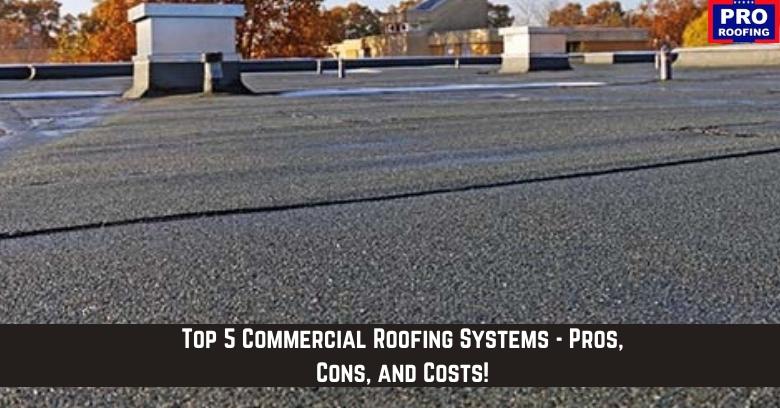
One of the most common issues encountered in commercial roofing, particularly with flat roofs, is the problem of ponding water. When water fails to drain properly, it collects in low spots, increasing the risk of leaks, structural damage, and premature aging of the roofing materials. In areas like Quincy Florida where heavy downpours are common, water accumulation can quickly turn into a serious concern for building owners.
- Main Causes: The underlying cause of ponding water is often linked to design inefficiencies, blocked drains, or deterioration of the flat roof's surface. Over time, debris such as leaves and twigs can clog gutters and scuppers. Even small imperfections in the construction can lead to uneven surfaces that allow water to pool. Building owners relying on reliable commercial roofers understand that routine inspection is key to preventing these issues from escalating.
- Recommended Solutions: To address ponding water issues, begin with a thorough evaluation of the roof's slope and drainage system. Professional roofing contractors often recommend installing tapered insulation systems to create a subtle slope that directs water toward designated drain outlets. Additionally, regularly clearing and maintaining roof drains and gutters is essential. In Monticello and other Florida regions, routine maintenance not only prevents water accumulation but also minimizes the risk of additional damage during the storm season. By addressing these issues early, your commercial roofing system can remain resilient and effective for years to come.
2. Membrane Damage and Blistering
Commercial flat roofs typically utilize specialized membranes that provide waterproofing and insulation. Over time, these membranes can suffer from damage, including blistering, due to water infiltration, thermal shocks, and improper installation. Blistering not only affects the aesthetic appeal of the roof but also compromises its protective properties, making it vulnerable to leaks and further deterioration.
- Main Causes: In many cases, blistering occurs when moisture becomes trapped beneath the membrane. This is often a result of insufficient surface preparation prior to installation or the use of substandard materials. In Tallahassee where the climate subjects roofs to high temperatures during the summer and significant temperature fluctuations during winter, the stress on roofing membranes is even more pronounced. Notably, commercial roofers emphasize that regular inspections and prompt maintenance are crucial for detecting early signs of membrane damage before minor issues escalate into major repairs.
- Recommended Solutions: Repairing blistered membranes involves carefully removing the affected areas and reapplying new roofing material. In some instances, a complete roof replacement may be recommended if widespread deterioration is evident. By choosing high-quality modified bitumen, TPO, or EPDM membranes, building owners can improve the durability and longevity of their flat roofs. Roofing contractors advise that investments in quality materials and proper installation are critical for maintaining the roof's integrity, reducing future maintenance costs, and being sure of the building's protection against harsh weather conditions.
3. Cracking and Leaks
Cracking in the roofing membrane and subsequent leaks are among the most common problems facing commercial flat roofs. Over time, continuous exposure to environmental stressors, such as temperature fluctuations, wind, and moisture, can cause the roofing materials to crack and deteriorate. These cracks provide pathways for water to infiltrate the structure, leading to water damage, mold growth, and compromised insulation.
- Main Causes: For many commercial building owners, detecting and repairing leaks is not only a matter of maintaining the roof's functionality, but also a critical step in preserving the interior environment. In Quincy Florida where sudden changes in weather patterns are common, even small cracks can quickly lead to extensive problems if left unattended. Commercial roofers recommend periodic inspections, particularly after severe weather events, to catch early signs of cracking.
- Recommended Solutions: To remedy these issues, professionals often use high-quality sealants and patching compounds designed for commercial roofing applications. The repair process typically involves cleaning the affected area, applying the sealant, and then reinforcing with additional layers of protective material. In some cases, a full-scale recoating of the roof may be necessary to restore its waterproofing properties. Roofing contractors stress that prompt repairs not only mitigate the potential for further damage but can also extend the serviceable life of the roof, reduce energy costs, and ultimately save the building owner from incurring more costly repairs in the future.
4. Flashing Failures and Sealant Deterioration
The success of any commercial flat roofing system relies significantly on the integrity of its flashing and sealants. Flashing is used to create watertight seals around roof penetrations, edges, and transitions, while sealants help bond different layers of the roofing system. Over time, these critical components can deteriorate due to constant exposure to the elements.
- Main Causes: A primary cause of flashing failure is the relentless cycle of expansion and contraction that occurs with temperature changes. In sunny areas like Monticello Florida, the intense heat can cause the materials to become brittle and crack, allowing water to seep in at critical junctions. Similarly, ineffective or degraded sealants exacerbate the issue, allowing for leaks and structural damage. Experienced roofing contractors emphasize that even minor flashing issues can lead to major roofing failures if they compromise the overall waterproofing system.
- Recommended Solutions: Repairing flashing and sealant issues involves a careful assessment of the entire roof perimeter and vulnerable joints. Professional commercial roofers typically start by removing the old, degraded flashing material and sealants. Then they clean and prepare the underlying surfaces before applying high-grade, UV-resistant materials designed to withstand Florida's harsh weather conditions. In some cases, building owners may decide on a full perimeter replacement if multiple areas are affected. By addressing these vulnerabilities early, roofing contractors make sure that the roof maintains its integrity and continues to protect the building from water infiltration and related damages throughout its lifespan.
5. UV Damage and Thermal Stress
In regions with abundant sunshine such as Florida, UV damage and thermal stress are inevitable challenges for commercial flat roofs. Prolonged exposure to high levels of ultraviolet radiation can cause roofing materials to deteriorate, resulting in brittleness, cracking, and ultimately, failure. In addition to UV damage, extreme temperature fluctuations lead to thermal stress that further compromises the structural integrity of the roof.
- Main Causes: Ultraviolet rays break down the chemical composition of roofing membranes, reducing their effectiveness and accelerating the aging process. Over time, the membrane loses its flexibility and protective qualities, making even minor stressors a significant risk factor for damage. This issue is particularly concerning for commercial roofing given the rooftop's direct exposure and the cumulative effect of daily thermal expansion and contraction cycles.
- Recommended Solutions: The solution to UV damage lies in preventive maintenance and the application of specialized coatings designed to reflect sunlight and reduce heat absorption. Modern roofing contractors often recommend installing a reflective membrane or applying a UV-resistant sealant to provide an additional layer of protection. These measures help maintain the roof's integrity by dissipating heat and minimizing the degree of thermal stress. Moreover, regular inspections by professional commercial roofers can detect early signs of UV degradation, allowing for timely interventions before serious damage occurs. Proactively addressing UV damage not only prolongs the life of your commercial flat roof but also makes sure that the building remains energy efficient and safeguarded against the harsh effects of the Florida sun.
Conclusion
In conclusion, commercial flat roofs present a unique set of challenges that require regular attention and innovative repair strategies to maintain durability and performance. From the persistent problem of ponding water to membrane damage, cracking, leaks, flashing failures, and the impacts of UV damage, each issue highlights the importance of timely intervention and quality craftsmanship. Business owners in Monticello, Quincy, and Tallahassee Florida can greatly benefit from preventive maintenance and professional inspections, which are crucial in identifying early signs of deterioration before they develop into costly repairs.
Engaging experienced commercial roofers and roofing contractors is a necessary investment in the longevity of your commercial roofing system. Proactive maintenance not only extends the life of the roof but also enhances energy efficiency and protects the overall building structure from water damage and other potential hazards. The case studies and repair tips discussed in this article emphasize that addressing issues promptly, using high-quality materials, and hiring skilled professionals can create a reliable and cost-effective roofing solution. Whether you operate in urban centers or more rural communities, making sure that your commercial flat roof remains in optimal condition is fundamental to sustaining the operational excellence and safety of your property.
Taking a proactive stance on maintenance by scheduling regular inspections and adhering to recommended repair strategies can save you significant time and money in the long run. Consider this article a call-to-action: consult with reliable roofing contractors to assess and repair your roof and make routine maintenance an integral part of your building management practices. With these steps, your commercial roofing system will not only withstand harsh weather conditions but will also continue to serve as a vital, long-lasting asset for your business!
Key Takeaways
- Regular Inspection is Crucial: Schedule periodic inspections of your commercial flat roof to catch early signs of wear and tear, such as ponding water or membrane blistering. Routine checks can help avoid major repairs and extend the roof's longevity.
- Invest in Quality Materials: Using high-grade, UV-resistant membranes and sealing compounds is essential. Quality materials provide improved durability, so that your commercial roofing system withstands the harsh weather conditions common in Florida.
- Efficient Drainage Systems: Be sure that the roof's drainage system is properly designed, maintained, and free of obstructions. Proper drainage minimizes ponding water, reducing the risk of leaks and structural damage.
- Professional Expertise Matters: Always rely on experienced commercial roofers and roofing contractors for assessments and repairs. Their specialized knowledge is invaluable in identifying problems early and applying effective solutions.
- Repair Flashing and Sealants Promptly: Deteriorated flashing and sealants can lead to water infiltration and further damage. Addressing these issues quickly with professional repairs helps maintain the roof's waterproof integrity.
- Address Cracks and Leaks Immediately: Do not ignore small cracks or leaks, as they can quickly worsen. Timely patching and repairs are crucial to preventing water intrusion and potential mold growth.
- Preventive Coatings Help Extend Roof Life: Applying UV-protective coatings or reflective membranes can mitigate the effects of thermal stress and UV damage. These coatings help maintain energy efficiency by reflecting heat.
- Tailor Repairs to Local Conditions: Consider regional climate factors, such as the heavy rains and intense sunlight in Monticello, Quincy, and Tallahassee Florida when planning roof repairs and maintenance.
- Document Maintenance Efforts: Keep detailed records of inspections, repairs, and maintenance activities. Documenting your roof's history is not only useful for warranty claims but also for future maintenance planning.
- Plan for Long-Term Roofing Health: Incorporate a regular maintenance schedule as part of your overall facility management strategy. Investing in the long-term health of your commercial roof ultimately saves money and protects your property from unforeseen damage.
FAQs
1. What causes ponding water on commercial flat roofs?
Ponding water typically occurs due to design flaws, blocked drains, or surface deterioration which prevent the water from flowing properly. Regular cleaning of drainage systems and installing tapered insulation can significantly reduce this problem, allowing for efficient water runoff.
2. How can membrane damage be identified and repaired?
Membrane damage, such as blistering, is often visible as raised, damaged areas on the roof's surface. Professional commercial roofers recommend routine inspections and if damage is detected, carefully removing and replacing the affected sections with high-quality materials.
3. What steps should be taken when cracks and leaks are found?
Upon discovering cracks or leaks, immediate action is required. The affected areas should be thoroughly cleaned and waterproof sealants must be applied to prevent further deterioration. In severe cases, a full recoating of the roof might be necessary to restore integrity.
4. Why does flashing deterioration occur on flat roofs?
Flashing deteriorates primarily due to the constant expansion and contraction caused by temperature fluctuations. Over time, the material can become brittle and crack, allowing water to seep through. Regular maintenance and prompt replacement with durable, heat-resistant materials are key.
5. Can UV damage really impact the longevity of a commercial roof?
Yes, prolonged exposure to UV rays breaks down roofing materials, leading to brittleness and cracks. To mitigate this, applying UV-protective coatings or reflective membranes is recommended, especially in high-sunlight regions like Tallahassee Florida.
6. How often should a commercial flat roof be inspected?
It is advisable to have a professional inspection at least once or twice a year, with additional inspections after severe weather events. Regular evaluations help identify early signs of damage, allowing for timely repairs and extending the roof's life.
7. What maintenance practices are crucial for preventing water accumulation?
Key practices include regularly cleaning gutters and drains, verifying the proper roof slope, and performing periodic inspections. These steps help prevent water from pooling and reduce the risk of leaks and other damage.
8. Why is professional expertise important for commercial roofing repairs?
Commercial roofing issues require specialized knowledge that experienced roofing contractors possess. Their expertise not only provides a proper diagnosis of the problem but also guarantees that repairs adhere to industry standards, ultimately protecting your investment.
9. How can building owners in Florida better prepare for weather-related roof issues?
Owners can schedule regular maintenance, invest in high-quality materials, and collaborate with professional commercial roofers who are familiar with local weather patterns. Tailoring maintenance plans to regional conditions minimizes risks related to heavy rains and intense sunlight.
10. What benefits do UV-protective coatings offer for commercial flat roofs?
UV-protective coatings help reflect sunlight, reduce heat absorption, and prevent deterioration of the roofing membrane. These coatings enhance energy efficiency and significantly extend the lifespan of the roof by mitigating the impacts of thermal stress and weathering.