
When you hire a roofing contractor in Tallahassee Florida& or nearby areas like Monticello, you expect your roofing project to run smoothly and finish on time. But Florida's unpredictable weather can quickly throw a wrench into the best-laid plans. Those sunny skies can suddenly darken with afternoon thunderstorms or surprise squalls, leaving both homeowners and contractors scrambling. If you are curious about what actually happens when the weather is less than ideal, you re not alone. Understanding how a professional roofing contractor handles weather delays can give you peace of mind, protect your investment, and see that your home in Tallahassee or Monticello gets the care it deserves.
Roofing projects rely on good weather far more than many realize. Shingles, underlayment, and adhesives all require dry conditions for safe installation and optimal longevity. When rain, wind, or even excessive heat strikes, the job often gets paused. Yet a reliable roofing contractor does not just pack up and disappear until the sun comes out again. Instead, experienced roofers take a series of deliberate steps to safeguard your home, materials, and schedule during weather interruptions. This blend of preparation and responsiveness is at the core of professional roofing services and something that truly sets apart a skilled roofing contractor in Tallahassee and Monticello Florida.
If you live in the Florida Panhandle, you know that the region's subtropical climate makes weather delays part of life, sometimes even outside hurricane season. Still, an expert roofing team anticipates these interruptions and has proactive strategies to minimize disruption. They balance speed, safety, and the need to protect your home from unexpected downpours or sudden storms, so you do not have to worry about more than just the rain.
In this guide, we will walk through the top 5 things a professional roofing contractor does when bad weather halts your roofing project. We will cover their contingency planning, how they secure your property, what communication you can expect, and ways they maintain quality even with start-stop schedules. Whether you are comparing roofing companies in Tallahassee or searching for a contractor near Monticello, understanding these behind-the-scenes routines will help you choose a professional who puts your home first, rain or shine.
How Weather Affects Roofing Jobs in Tallahassee and Monticello
Florida's weather patterns are unique. While summers bring heat and frequent rain, other seasons are unpredictable, with sudden wind gusts or cold snaps. These variations affect more than just your daily plans as they can significantly impact the timeline and safety of any roofing job.
Roofing contractors know that pushing through a roof installation during a rainstorm is not just risky for their crew; it can spell disaster for your home's structure. Water can damage the wood deck beneath roofing materials, compromise the effectiveness of adhesives, and even invalidate manufacturer warranties. That is why any trustworthy roofing contractor in Tallahassee Florida or neighboring Monticello always takes weather delays seriously.
Below, we will break down the five essentials roofing contractors do to keep your project on track and your property safe when Mother Nature does not cooperate.
1. Prioritize Safety Above All Else
Nothing matters more to an experienced roofing contractor than the well-being of the crew and anyone nearby. Roofing is already a high-risk job and then if you add in rain, lightning, or high winds, the danger escalates fast. That is why, when bad weather hits in Tallahassee or Monticello Florida, the first response is to halt work immediately and conduct a quick safety assessment.
Safeguarding lives means knowing when to stop. No responsible contractor will push through unsafe conditions just to finish quickly. Rain can make roofs slippery, increasing the risk of falls; lightning is a non-negotiable hazard; and gusty winds can lift materials right off a roof deck. On top of that, sudden temperature changes(like the afternoon heat in Tallahassee can lead to heat stress or dehydration.
A skilled roofing team will:
- Evacuate the roof at the first sign of dangerous weather, following OSHA guidelines.
- Secure ladders, tools, and loose materials to prevent accidents.
- Provide shelter for workers if a storm rolls in without warning.
Homeowners should always ask their roofing contractor about their safety protocols during inclement weather as it is a sign of both professionalism and genuine care for their crew and your property.
2. Secure the Work Site and Unfinished Roof Areas
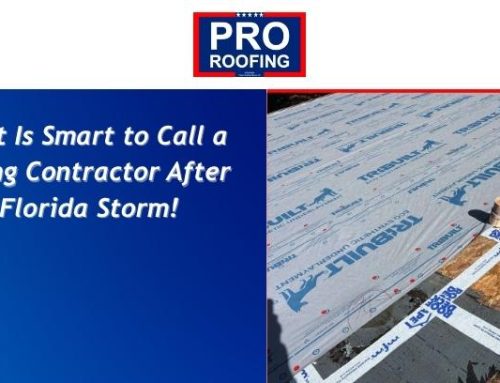
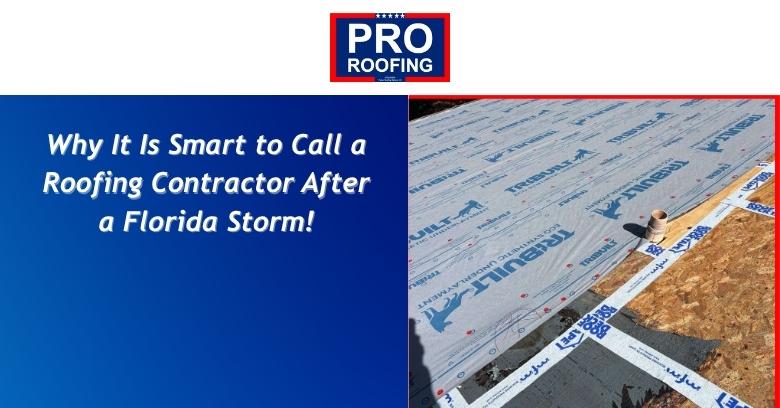
Roofing materials do not mix well with wind and water. As soon as work is paused, contractors quickly move to protect exposed roof decking, underlayment, or any opened sections from rain, wind, and debris. This is a vital step for both shingle and metal roofing jobs, whether residential or commercial.
Professionals operating in weather-prone areas like Tallahassee and Monticello always have tarps, temporary underlayment, and water-resistant barriers on hand. The process typically includes:
- Covering exposed areas with heavy-duty tarps, fastened securely to prevent wind lift.
- Using waterproof sealants or tapes for vulnerable seams or corners.
- Securing bundled roofing materials to prevent them from becoming projectiles.
Failing to protect the worksite can result in water damage to your attic, insulation, or walls, a nightmare scenario for any homeowner. The best roofing contractors make weather protection an automatic reflex, not an afterthought.
3. Maintain Clear Communication with Clients
One of the trademarks of a reliable roofing contractor, especially in the competitive Tallahassee and Monticello roofing markets, is transparent communication when plans change. Weather delays are frustrating and uncertainty can cause anxiety for homeowners and property managers. That is why professional contractors make it a priority to keep you in the loop at every stage.
Here is how they do it:
- Immediate notification: As soon as a delay occurs, you get a phone call, text, or email explaining the situation.
- Timeline updates: Contractors provide revised estimates for project completion, making adjustments as needed based on the weather forecast.
- Guidance on what to expect: You will be briefed on site protection measures, what has been covered, and if any follow-up actions are needed from your end.
Strong communication builds trust. If your contractor is dodgy about delays, it is a red flag. Top-tier companies set clear expectations and make you feel comfortable about the next steps.
4. Document Conditions and Adjust Schedules
Weather events can complicate insurance claims and project schedules. The best contractors proactively document site conditions before, during, and after an interruption. This habit is especially important in regions like Florida, where sudden storms are common and paperwork often makes the difference in successful insurance claims or warranty requests.
A good roofing team will:
- Take timestamped photos and notes detailing progress, weather damages if any, and protection steps taken.
- Update project logs to account for lost time and new projected completion dates.
- Re-coordinate deliveries and install crews based on improved forecasts.
This level of diligence delivers clarity for everyone, including the contractor, property owner, insurers, and any subcontractors involved.
5. Adjust Work Methods Post-Weather
Once the weather clears and it is safe to resume, professional roofing contractors do not jump right back in without careful consideration. The work site and materials need re-inspection for moisture, wind damage, or contamination that could affect the quality of the final installation.
Common adjustments may include:
- Drying out roof surfaces or underlayment before resuming shingle or metal roofing.
- Checking for water intrusion into attic spaces or wall cavities, especially if tarps shifted or failed.
- Inspecting materials for warping, moisture absorption, or contamination.
- Resetting safety protocols and seeing that all gear is ready for renewed work.
In Tallahassee and Monticello Florida, skilled contractors may even adjust the installation sequence or add extra waterproofing layers, knowing that another round of rain could be right around the corner.
The Impact of Weather Resilience in the Roofing Industry
For residential and commercial property owners alike, the way a roofing contractor handles weather setbacks speaks volumes about their professionalism and expertise. Roofing in Florida is as much about quick thinking and adaptability as it is about technical know-how. Firms that excel under pressure earn lifelong customers and sterling reputations.
Smart roofing companies invest in continuous training, premium tools and materials, and an agile mindset. In storm-prone regions like Tallahassee and Monticello, this resilience and preparedness are as important as craftsmanship itself. Whether you need roof repairs, a full replacement, or new construction roofing, understanding your contractor's process for handling weather interruptions can help see that your project stays on track, your investment is protected, and your peace of mind is preserved.
Conclusion
Choosing a reliable roofing contractor is about more than materials, labor, and a handshake; it is about trust when the unpredictable happens. In places like Tallahassee Florida and nearby Monticello, weather interruptions are a part of life; however, they do not have to spell disaster for your roofing project. The best roofing professionals are defined not just by what they do when the sun is shining, but how they step up when the clouds roll in.
From prioritizing safety and securing exposed areas to clear communication, detailed documentation, and careful resumption of work, trusted contractors transform setbacks into opportunities to prove their reliability and expertise. For property owners, these practices mean reduced risks, streamlined insurance claims, and ultimately, a stronger, longer-lasting roof.
So the next time you are interviewing a roofing contractor, do not just ask about materials or warranties; ask how they handle weather interruptions. Their answer will speak volumes about their commitment to your project's success and your peace of mind. If you are currently seeking a reliable, resilient roofing partner in Tallahassee or Monticello Florida, take the time to find a team that demonstrates transparent, weather-savvy protocols. Your property and your nerves will thank you.
Ready to weatherproof your next roofing project? Reach out to a trusted roofing contractor today and experience the difference true professionalism makes, rain or shine!
Key Takeaways
- Immediate Safety Protocols: A reliable roofing contractor will always prioritize safety, immediately halting work in unsafe conditions such as heavy rain, lightning, or strong winds. Quick evacuation and securing of the job site show a commitment to worker and client safety, which is crucial for projects across Tallahassee and Monticello Florida.
- Protection of Exposed Roof Areas: When the weather interrupts, quality roofing contractors cover exposed decking, underlayment, and openings with tarps or temporary barriers. This proactive step protects your home's interior from water damage, a major concern during sudden storms in Florida.
- Transparent Client Communication: Expect clear and prompt updates on project delays, new timelines, and the preventive steps taken. Regular communication builds trust and keeps you informed, turning a stressful situation into a manageable one.
- Detailed Documentation for Insurance: Contractors who document weather events and worksite status with photos and notes help safeguard your interests. Proper documentation is invaluable when navigating insurance claims or warranty requests related to weather interruptions.
- Materials and Equipment Securement: All building materials, tools, and personal items are quickly secured to prevent wind or water damage so that nothing becomes a hazard or projectile during gusty weather.
- Thorough Inspections Before Resuming: After a storm or weather event, the roofer will carefully inspect surfaces and materials for moisture and damage before restarting work. This preserves the integrity of your roof and prevents future problems caused by compromised materials.
- Flexible Scheduling and Coordination:& Experienced contractors adjust work schedules and coordinate deliveries based on improved forecasts. Their focus is on minimizing project delays while delivering quality and safety remain uncompromised.
- Consistent Application of Best Practices: Whether working in Tallahassee or Monticello, leading roofing contractors adhere to industry best practices for weather-related interruptions, demonstrating reliability on every project.
- Client Education and Guidance: Professionals take the time to educate property owners about site conditions, what to expect, and how best to protect their home during a delay, reducing anxiety and fostering trust.
- Commitment to Quality and Warranty: The best roofers will see that all work meets or exceeds warranty conditions, even after a weather delay. They will not compromise on standards just to make up lost time, a sign of true craftsmanship and professionalism.
FAQs
1. What should I expect from a roofing contractor if bad weather interrupts my roofing project?
You should expect immediate safety measures, clear communication, site protection with tarps, and updated timelines. Professional roofing contractors in Tallahassee and Monticello Florida are equipped to handle such interruptions efficiently, protecting your property and maintaining quality.
2. Will a weather delay affect the cost of my roofing project?
Usually, reliable contractors build weather delays into their estimates, so you should not see unexpected charges. Of course, extreme weather that causes additional damage might incur extra costs, but your contractor should explain these costs transparently.
3. How does a roofing contractor protect exposed areas during a sudden storm?
Contractors quickly tarp exposed sections, use waterproof barriers, and secure materials to prevent water intrusion and wind damage, which is especially important during Florida's unpredictable weather.
4. Can roofing materials get damaged during a weather interruption?
Yes, roofing materials left exposed to rain or humidity can be compromised. That is why experienced contractors in Tallahassee and Monticello always inspect and if necessary, replace materials before resuming work.
5. How will I be kept updated during a weather-related roofing delay?
Trusted roofing contractors will contact you immediately through phone, text, or email, providing clear updates about the situation, revised schedules, and what is being done to protect your property.
6. Are weather delays considered when planning a roofing project in Florida?
Absolutely. Given the frequency of storms, professional roofing companies in Florida always factor potential weather interruptions into their project timelines and contingency plans.
7. What happens if water gets inside my home during a roofing project?
If water intrusion occurs due to weather, your contractor should act fast to dry out affected areas, assess for damage, and document everything for insurance purposes. Immediate, transparent action is key.
8. Will my roofing warranty still be valid after a weather delay?
As long as the contractor follows proper procedures to protect your roof and adheres to the manufacturer's installation guidelines, your warranty should remain intact. Always check with your contractor to confirm.
9. What should I ask my roofing contractor about handling weather interruptions?
Ask about their safety protocols, site protection measures, documentation practices, and how they communicate during delays. These questions help gauge their professionalism and preparedness.
10. Why is documentation so important during weather interruptions?
Proper documentation including photos, notes, and updates serves as evidence for insurance claims and protects your interests, especially if additional work or repairs are needed due to unexpected storms.