
In Florida's diverse and often unpredictable climate, particularly in areas like Perry, Quincy, and Tallahassee, homeowners face unique challenges when it comes to ensuring the durability and protection of their homes.
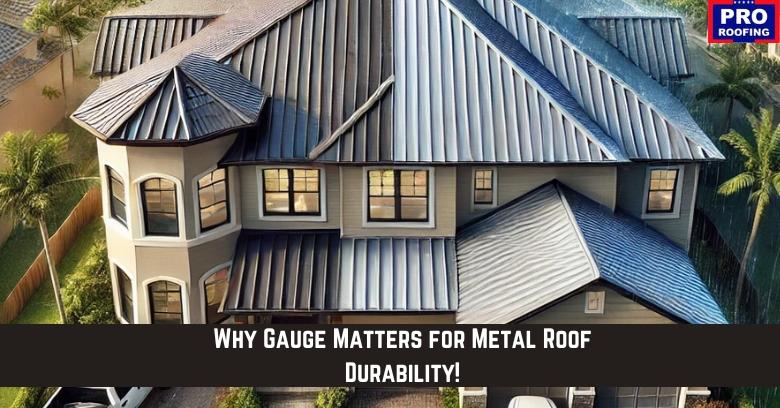
One of the most important decisions a homeowner can make when installing a new roof is selecting the most suitable material and gauge for their metal roof.
The "gauge" of a metal roof plays a crucial role in its durability, strength, and overall performance.
For Florida residents, understanding the significance of metal roofing gauge is essential, as it can make a big difference in how well the roof holds up against the state's extreme weather conditions, from summer storms to hurricane-force winds.
This article explores the concept of gauge in metal roofing, why it matters, and how homeowners in Perry, Quincy, and Tallahassee can make informed decisions about which gauge is best for their roofing needs.
What is Metal Roofing Gauge?
The term "gauge" refers to the thickness of the metal used in the roofing material.
Gauge is an essential factor in determining the strength and lifespan of the roof—generally, the lower the gauge number, the thicker and stronger the metal sheet.
For example, a 22-gauge metal sheet is thicker and more durable than a 29-gauge sheet.
This thickness directly impacts the roof's ability to resist damage from external elements, such as heavy rain, wind, and hail, all common in Florida.
Understanding gauge is crucial because it affects the performance and the cost of your metal roof.
While a thicker gauge provides greater durability and weather resistance, it is also more expensive.
Consequently, homeowners must balance the need for durability with their budget constraints when choosing the correct gauge for their roof.
Comparing Gauges for Metal Roofs
Metal roofing systems are typically available in gauges ranging from 22 to 29, with 22-gauge being the thickest and 29-gauge the thinnest. The differences between these gauges can significantly impact the roof's performance:
-
22-Gauge Metal Roof: The thickest and most durable option, 22-gauge metal roofing provides superior resistance to wind, hail, and impact. This gauge is ideal for homes prone to severe weather, such as those near the Gulf Coast, which experiences hurricanes and tropical storms. It is also the most resistant to denting and is less likely to show signs of wear and tear over time.
-
24-Gauge Metal Roof: A popular choice for many homeowners, 24-gauge roofing balances strength and cost. It offers excellent protection against the elements and is still strong enough to withstand Florida's severe weather conditions while being more affordable than 22-gauge options.
-
26-Gauge and 29-Gauge Metal Roofs: These thinner gauges are more budget-friendly but come with some trade-offs. While they are still more durable than asphalt shingles and offer some resistance to weather, they are more susceptible to denting, damage from high winds, and the effects of extreme weather over time. These gauges may be a viable option for homeowners in less severe climates or looking for more affordable roofing solutions.
Choosing the Right Gauge for Florida's Climate
Florida's unique climate poses several challenges for roofing materials.
With frequent thunderstorms, high humidity, and the potential for hurricanes, roofing materials must be able to withstand a range of weather conditions.
A thicker gauge is generally recommended for homes in coastal or hurricane-prone areas like Perry, Quincy, and Tallahassee, as it provides extra durability and protection.
-
Hurricane Winds: Florida is frequently hit by powerful storms, including hurricanes. Metal roofs, especially those with lower gauge numbers, are known for resisting high winds, making them a popular choice for homeowners in hurricane zones. A 24-gauge or 22-gauge roof can better withstand wind uplift and debris impact during storms.
-
Heavy Rain and Humidity: Florida also experiences significant rainfall and humidity, which can take a toll on roofing materials over time. Thicker metal roofing is more resistant to rust, corrosion, and damage caused by moisture. Additionally, thicker gauges tend to perform better in extreme heat, a common issue in Florida's summer months.
Key Considerations for Homeowners
When choosing a metal roof for your home, it's essential to consider factors such as the local climate, your budget, and the longevity of the roof.
Consulting with local roof contractors in Perry, Quincy, and Tallahassee can provide valuable insights into the best gauge for your specific needs.
Roofers in these areas can assess your home's exposure to weather, offer guidance on suitable materials, and ensure that your roofing solution will stand the test of time.
Homeowners should also think about the long-term maintenance costs associated with their roofing choices.
While a thicker gauge may have a higher upfront cost, it can save you money on repairs and replacements in the future, making it a wise long-term investment.
Conclusion
Choosing the right gauge for your metal roof is crucial for ensuring the durability and protection of your home, especially in regions like Perry, Quincy, and Tallahassee, where weather conditions can be harsh.
Thicker gauges, such as 22 or 24, offer superior resistance to Florida's extreme weather and provide greater longevity.
While they come at a higher cost, they also reduce the likelihood of needing repairs or replacements in the future.
By consulting with local roofing experts, homeowners can make a more informed decision and select the best option for their home's needs.
For expert advice and metal roofing installation in Perry, Quincy, or Tallahassee, contact trusted local roofing contractors to help you choose the best gauge for your roof.
Your home's protection starts with choosing the right roofing materials, and investing in the proper gauge can make all the difference in your roof's performance and lifespan.
Key Takeaways
- Gauge Affects Durability: The gauge of a metal roof determines its thickness and strength. A lower gauge number means a thicker and more durable roof, offering better protection against extreme weather conditions.
- Florida's Climate Demands Durability: Due to Florida's frequent storms, hurricanes, high humidity, and intense sun, homeowners should consider investing in thicker gauges (22 or 24 gauge) for better resistance to wind, rain, and corrosion.
- Options for Every Budget: While thicker gauges (22 or 24 gauge) provide superior performance and longevity, thinner gauges (26 and 29 gauge) are more affordable but may be more prone to damage over time.
- Long-Term Investment: Though thicker metal roofing may cost more upfront, it offers better long-term value by reducing the need for costly repairs or replacements, making it a smart investment in the long run.
- Consult Local Experts: To make the best decision, homeowners in Perry, Quincy, and Tallahassee should consult with local roofing contractors who understand the region's weather and can recommend the right gauge for their needs.
FAQs
1. What is the difference between gauge numbers in metal roofing?
- Gauge refers to the thickness of the metal used for roofing. A lower gauge number (e.g., 22) indicates a thicker, stronger metal, while a higher gauge number (e.g., 29) is thinner and more lightweight.
2. Does the gauge of metal roofing affect its durability?
- Yes, a thicker gauge metal roof (lower gauge number) is more durable and resistant to impacts, extreme weather, and corrosion. It's ideal for areas with severe weather conditions, such as Florida's hurricanes.
3. What is the best gauge for a metal roof in Florida?
- For Florida's climate, especially in areas like Perry, Quincy, and Tallahassee, a 22- or 24-gauge metal roof is recommended due to its greater durability and ability to withstand high winds, heavy rain, and humidity.
4. How does the gauge affect the cost of a metal roof?
- Generally, the thicker the gauge, the more expensive the roofing material. A 22-gauge metal roof will cost more upfront than a 26- or 29-gauge roof, but the long-term durability and fewer repairs can offset the initial investment.
5. Can a thinner gauge roof still protect against hurricanes?
- While a thinner gauge (26 or 29) can provide some protection, it's not as resilient in extreme weather like hurricanes. For maximum protection against high winds and heavy rains, a thicker gauge (22 or 24) is a better choice.
6. What are the standard metal roofing materials used in Florida?
- Popular materials for metal roofs in Florida include steel, aluminum, and copper. Each offers different levels of corrosion resistance, with aluminum being highly resistant to rust and ideal for humid climates like Florida.
7. How long does a metal roof last with the right gauge?
- A metal roof with a 22 or 24-gauge can last up to 50 years or more with proper maintenance. Thinner gauges, such as 26 or 29, typically last 20-30 years.
8. What impact does humidity have on metal roofing?
- Humidity, especially in Florida, can lead to rust and corrosion, particularly with thinner gauges. A thicker gauge provides better protection against these issues and offers enhanced longevity in humid climates.
9. Can I upgrade my roof gauge after installation?
- Replacing the gauge once your roof is installed is not practical or cost-effective unless you are completely re-roofing your home. Choosing the appropriate gauge from the start is essential to avoid additional costs down the line.
10. How do I know if I need a thicker gauge for my roof?
- If your home is in an area prone to high winds, hurricanes, or heavy rain, like Perry or Tallahassee, it's wise to choose a thicker gauge for added protection. Consulting with local roofing companies can help you determine the best choice based on your home's specific needs and budget.
Check Out Who is Posting This Article!
https://smb.picayuneitem.com/article/Why-Gauge-Matters-for-Metal-Roof-Durability?storyId=6798cd5e6bd11e00082340db https://smb.alabamanow.com/article/Why-Gauge-Matters-for-Metal-Roof-Durability?storyId=6798cd5e6bd11e00082340db https://smb.albertleatribune.com/article/Why-Gauge-Matters-for-Metal-Roof-Durability?storyId=6798cd5e6bd11e00082340db https://smb.andalusiastarnews.com/article/Why-Gauge-Matters-for-Metal-Roof-Durability?storyId=6798cd5e6bd11e00082340db https://smb.lobservateur.com/article/Why-Gauge-Matters-for-Metal-Roof-Durability?storyId=6798cd5e6bd11e00082340db https://smb.panolian.com/article/Why-Gauge-Matters-for-Metal-Roof-Durability?storyId=6798cd5e6bd11e00082340db https://smb.alexcityoutlook.com/article/Why-Gauge-Matters-for-Metal-Roof-Durability?storyId=6798cd5e6bd11e00082340db https://smb.americustimesrecorder.com/article/Why-Gauge-Matters-for-Metal-Roof-Durability?storyId=6798cd5e6bd11e00082340db https://smb.atmoreadvance.com/article/Why-Gauge-Matters-for-Metal-Roof-Durability?storyId=6798cd5e6bd11e00082340db https://smb.amnews.com/article/Why-Gauge-Matters-for-Metal-Roof-Durability?storyId=6798cd5e6bd11e00082340db https://smb.austindailyherald.com/article/Why-Gauge-Matters-for-Metal-Roof-Durability?storyId=6798cd5e6bd11e00082340db https://smb.americanpress.com/article/Why-Gauge-Matters-for-Metal-Roof-Durability?storyId=6798cd5e6bd11e00082340db https://smb.dailyleader.com/article/Why-Gauge-Matters-for-Metal-Roof-Durability?storyId=6798cd5e6bd11e00082340db https://smb.oxfordeagle.com/article/Why-Gauge-Matters-for-Metal-Roof-Durability?storyId=6798cd5e6bd11e00082340db https://smb.vicksburgpost.com/article/Why-Gauge-Matters-for-Metal-Roof-Durability?storyId=6798cd5e6bd11e00082340db https://smb.bluegrasslive.com/article/Why-Gauge-Matters-for-Metal-Roof-Durability?storyId=6798cd5e6bd11e00082340db https://smb.claiborneprogress.net/article/Why-Gauge-Matters-for-Metal-Roof-Durability?storyId=6798cd5e6bd11e00082340db https://smb.clantonadvertiser.com/article/Why-Gauge-Matters-for-Metal-Roof-Durability?storyId=6798cd5e6bd11e00082340db https://smb.brewtonstandard.com/article/Why-Gauge-Matters-for-Metal-Roof-Durability?storyId=6798cd5e6bd11e00082340db https://smb.demopolistimes.com/article/Why-Gauge-Matters-for-Metal-Roof-Durability?storyId=6798cd5e6bd11e00082340db https://smb.elizabethton.com/article/Why-Gauge-Matters-for-Metal-Roof-Durability?storyId=6798cd5e6bd11e00082340db https://smb.greenvilleadvocate.com/article/Why-Gauge-Matters-for-Metal-Roof-Durability?storyId=6798cd5e6bd11e00082340db https://smb.jessaminejournal.com/article/Why-Gauge-Matters-for-Metal-Roof-Durability?storyId=6798cd5e6bd11e00082340db https://smb.kenbridgevictoriadispatch.com/article/Why-Gauge-Matters-for-Metal-Roof-Durability?storyId=6798cd5e6bd11e00082340db https://smb.leaderpub.com/article/Why-Gauge-Matters-for-Metal-Roof-Durability?storyId=6798cd5e6bd11e00082340db https://smb.luvernejournal.com/article/Why-Gauge-Matters-for-Metal-Roof-Durability?storyId=6798cd5e6bd11e00082340db https://smb.selmatimesjournal.com/article/Why-Gauge-Matters-for-Metal-Roof-Durability?storyId=6798cd5e6bd11e00082340db https://smb.thesnaponline.com/article/Why-Gauge-Matters-for-Metal-Roof-Durability?storyId=6798cd5e6bd11e00082340db https://smb.troymessenger.com/article/Why-Gauge-Matters-for-Metal-Roof-Durability?storyId=6798cd5e6bd11e00082340db https://smb.windsorweekly.com/article/Why-Gauge-Matters-for-Metal-Roof-Durability?storyId=6798cd5e6bd11e00082340db https://smb.clemmonscourier.net/article/Why-Gauge-Matters-for-Metal-Roof-Durability?storyId=6798cd5e6bd11e00082340db https://smb.gatescountyindex.com/article/Why-Gauge-Matters-for-Metal-Roof-Durability?storyId=6798cd5e6bd11e00082340db https://smb.harlandaily.com/article/Why-Gauge-Matters-for-Metal-Roof-Durability?storyId=6798cd5e6bd11e00082340db https://smb.irontontribune.com/article/Why-Gauge-Matters-for-Metal-Roof-Durability?storyId=6798cd5e6bd11e00082340db