
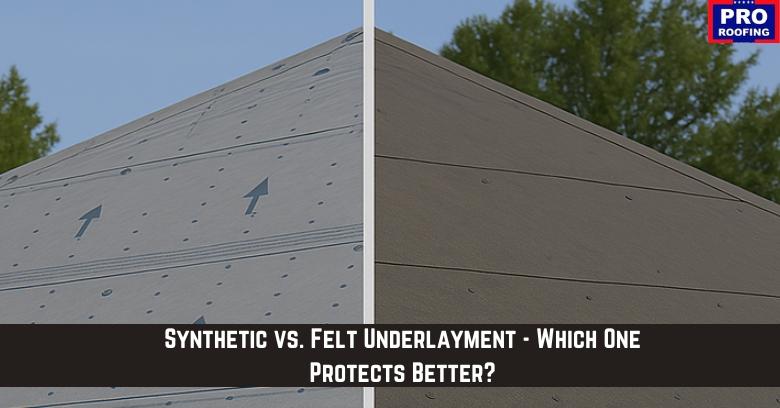
When it comes to ensuring a roof's longevity and performance, the discussion often turns to the type of underlayment used. For homeowners and building managers seeking the best in protection, understanding the differences between synthetic and felt underlayment is crucial.
In today's article, we delve deep into these two underlayment types, examine their pros and cons, and explore their implications for roofing companies in Tallahassee, Quincy, and Monticello Florida. Whether you are evaluating options for a new roofing installation or a repair project, this article will help guide your decision.
Understanding Underlayment - The First Line of Defense
Underlayment serves as a secondary layer of protection between the roof deck and the exterior roofing material. It not only provides additional waterproofing but also acts as a buffer to protect against wind-driven rain, ice, and debris. Roofs are built to withstand various environmental hazards, yet the underlayment plays a pivotal role in maintaining the overall structural integrity.
What Is Felt Underlayment?
Felt underlayment, traditionally derived from fiberglass or organic materials saturated in asphalt, has been a roofing staple for decades. It offers an economical solution with time-tested performance. Its familiarity to roofing contractors and roofing companies makes it a popular choice in the industry. A few noteworthy points about felt underlayment include:
- Cost Efficiency: Felt underlayment is one of the most affordable options available.
- Ease of Installation: Many roofing contractors appreciate its straightforward installation process.
- Proven Track Record: Its performance history in various climates provides a certain level of confidence for owners and professionals alike.
What Is Synthetic Underlayment?
Synthetic underlayment, manufactured from non-woven polypropylene or polyester, has emerged as a modern competitor to felt due to its enhanced performance characteristics. Roofing contractors have increasingly turned to synthetic options. Key advantages include:
- Greater Durability: Synthetic underlayment resists tears and punctures better than felt.
- Waterproof Properties: It typically offers superior water resistance, reducing the risk of leakage.
- Lightweight and Easy to Handle: Synthetic materials can reduce installation time and improve safety during roofing installation.
- UV Resistance: Many synthetic products include UV inhibitors, offering extra protection against solar degradation.
Head-to-Head: Synthetic vs. Felt Underlayment
Several key factors come into play when choosing between synthetic and felt underlayment. While both have their own merits, roofing companies must weigh these factors to meet their clients' needs and budget constraints.
1. Durability and Longevity
One of the primary advantages of synthetic underlayment is its durability. Being resistant to tearing, puncturing, and degradation from prolonged exposure to sunlight makes synthetic an attractive option for regions with extreme weather. For example, roofing contractors often face intense UV rays and occasional heavy storms. In these cases, synthetic underlayment offers an extra layer of reliability. Conversely, felt underlayment, while robust in many applications, tends to break down faster when exposed to moisture during installation delays or prolonged sun exposure, which can be a drawback.
2. Installation Considerations
Felt underlayment is traditionally easier for many contractors due to familiarity and it has been the industry standard for years. Many roofing companies continue to use felt because they have the established tools and techniques to install it quickly; however, synthetic underlayment is not far behind. Many roofing contractors also find synthetic easier to handle due to its lighter weight and larger roll sizes. This efficiency may lead to cost savings in the long run as installation time is reduced and the risk of human error is minimized.
3. Cost Implications
Budget is always a critical element in roofing projects. Felt underlayment typically comes in at a lower upfront cost, making it attractive for budget-sensitive projects. For homeowners comparing roofing company quotes in Tallahassee and Quincy Florida and nearby communities, sheathing a house with felt may seem more economically appealing initially. While synthetic underlayment may have a higher initial price tag, its extended serviceable life and additional protective properties can lead to lower lifecycle costs. Roofing installation might benefit from the long-term savings that come with synthetic, especially in regions with high UV exposure and frequent moisture challenges.
4. Moisture and Weather Resistance
The best roofing installation depends on the underlayment's ability to resist moisture. Felt underlayment, especially if not installed perfectly, can become a pathway for moisture if water infiltrates and remains trapped. In contrast, synthetic underlayment generally has better resistance to water absorption and dries much faster, which is crucial in humid climates like Florida. This moisture resistance is a major selling point for many roofing contractors who work in areas with heavy seasonal rains.
5. Environmental Considerations
More homeowners and contractors are considering the environmental impact of their material choices. Synthetic underlayment, made from recycled materials and designed for longevity, can be seen as a more sustainable option compared to felt, which is typically composed of organic fibers treated with asphalt. Roofing companies are increasingly being asked about sustainable materials by environmentally conscious clients. The environmental benefits of synthetic underlayment can often tip the scale, particularly when the long-term benefits outweigh an initially higher material cost.
The Effect on Roofing Installation and Maintenance
Investing in the right underlayment pays dividends not only in protection but also in the ease of maintenance and overall longevity of the roof. Let's now discuss how the choice between synthetic and felt underlayment affects roofing installation and long-term maintenance.
- Installation Efficiency
Efficient installation is crucial, cutting down on labor hours directly affects overall project costs. Synthetic underlayment's lighter weight and larger dimensions translate to less time spent on fitting and overlapping materials, which minimizes human error. Roofing contractors often highlight that synthetic underlayment can speed up the installation process. Faster installation means reduced labor expenses and fewer disruptions for building owners.
Conversely, while felt underlayment is widely used and understood by most roofing crews, the additional required overlaps and potential for moisture absorption during prolonged installation times can introduce complications. Roofing companies sometimes face delays when dealing with felt in particularly humid conditions, which can impact overall project timelines.
Maintenance and Repairs
In roofing maintenance, accessibility to the underlayment is rarely a priority until issues arise. When problems occur, early detection is key to preventing water damage. Synthetic underlayment's resistance to moisture means that any compromises in the roof's surface are less likely to lead to widespread leakage. Roofing contractors have noted that follow-up repairs tend to be simpler when synthetic materials are in place due to the consistent performance of these modern underlayment.
On the other hand, felt underlayment often requires quick intervention when it begins to wear or absorb moisture. Ongoing maintenance in such cases might include replacing sections of the felt or even the entirety of the underlayment. Roofing companies that continue to use felt typically incorporate regular checks into their maintenance schedules to prevent the escalation of minor faults.
Future-Proofing Roofing Projects
Considering future roofing repairs and maintenance is integral to deciding on the underlayment. Synthetic underlayment's extended lifespan offers a degree of future-proofing that felt underlayment may struggle to match. New roofing installations can benefit from a system that not only withstands the test of time but also minimizes disruptions over the building's lifespan. Though synthetic often commands a higher initial cost, the lower frequency of necessary repairs makes it a favorite for forward-thinking contractors.
Considerations for Homeowners and Commercial Builders
Whether you are a homeowner, property manager, or commercial builder, making an informed decision between synthetic and felt underlayment is essential. Here are a few considerations to guide your decision-making process:
Evaluating Project Requirements
Consider your project's unique requirements. For buildings located in areas with high UV exposure, such as areas serviced by roofing companies in Tallahassee and Qunicy Florida, the longevity of synthetic underlayment may be beneficial. In contrast, projects with tight budgets might lean towards felt underlayment, especially when the immediate cost is the overriding concern.
Consultation with Local Experts
Get recommendations from local roofing companies. Local experts understand the specific environmental conditions and regulatory factors affecting roofing installation in the region. Their hands-on experience regarding materials and installation techniques can lead to better-tailored solutions.
Warranty and Manufacturer Guarantees
Examine the warranties provided by underlayment manufacturers. Many synthetic products come with extended warranties compared to traditional felt underlayment. New roofing installation often benefits from these warranties, offering additional peace of mind to property owners.
Future Maintenance and Upkeep
Plan for future maintenance from the outset. The advantages of synthetic underlayment in terms of easy maintenance and longer intervals between repairs can prove beneficial over time. For knowledgeable roofing contractors, choosing a material that minimizes maintenance challenges is key to delivering a quality, long-lasting roofing solution.
Advantages and Limitations: A Balanced View
A balanced perspective is crucial when comparing synthetic and felt underlayment. Below, we outline the major advantages and limitations of each material to assist in your decision-making process.
Synthetic Underlayment - Advantages
- Superior tear and puncture resistance, reducing the risk of damage during installation and extreme weather events.
- Greater resistance to water absorption, making it ideal for humid conditions typical of Florida regions.
- Lightweight composition eases handling, reducing labor costs during installation.
- Often comes with better UV resistance, enhancing the material's durability over time.
- Extended warranty periods from manufacturers can provide added security.
Synthetic Underlayment - Limitations
- Initial cost is higher compared to felt underlayment, which may strain the budget for some projects.
- Requires careful installation to avoid the formation of wrinkles or laps that could compromise performance.
- Not all synthetic products are created equal; variability in quality exists, so selecting a reputable manufacturer is vital.
Felt Underlayment - Advantages
- Lower upfront cost makes it an attractive option for budget-conscious projects.
- Familiarity with the material makes installation straightforward for many experienced roofing contractors.
- Time-tested performance in many traditional installations provides a sense of reliability.
- Widely available and supported by a vast network of suppliers across Florida.
Felt Underlayment - Limitations
- Prone to absorbing moisture if installation is delayed, potentially shortening its useful life.
- Less resistant to UV exposure, leading to faster degradation in regions like Florida.
- Higher likelihood of tears and punctures during severe weather conditions, which can increase maintenance requirements.
- Can be heavier and bulkier, potentially increasing installation labor and time.
The Decision Process with Local Roofing Professionals
Ultimately, the choice of underlayment should be viewed within the context of local environmental conditions and installation challenges specific to the region. Roofing contractors serving Tallahassee Florida and neighboring areas understand these nuances better than most. They employ strategies to mitigate potential issues so that the underlayment performs optimally regardless of the material chosen.
Collaborating with Experienced Contractors
Collaborating with experienced professionals is highly recommended to achieve the best outcomes. Skilled roofing contractors bring an invaluable depth of knowledge regarding local weather patterns, installation techniques, and regulatory requirements. When selecting products for roofing installation in Florida, professional insight can lead to informed choices that save time, reduce costs, and prevent future complications.
Customizing Solutions for Specific Needs
Every roofing project is unique. Whether you are working on a new construction project or replacing an older roof, the best Florida roofing companies can tailor their approach based on the specific requirements of your building. Through careful assessment of the building's exposure to elements, local climate, and budget considerations, roofing contractors can help decide whether synthetic or felt underlayment is the right fit for your project. In many cases, a hybrid approach may even be considered for projects requiring different layers of protection in critical areas.
The Bottom Line
Choosing between synthetic and felt underlayment ultimately hinges on the balance between cost, durability, and long-term performance. For regions such as Tallahassee, Quincy, and Monticello Florida where weather extremes and UV exposure are significant factors, synthetic underlayment generally offers superior protection and longevity. Yet felt underlayment remains a dependable and cost-effective choice for many projects, provided installation and maintenance are managed carefully.
Property owners and professionals can make well-informed decisions by closely evaluating factors such as installation efficiency, moisture resistance, and overall budget. Roofing companies are encouraged to assess their options in consultation with local experts to ensure that the chosen material aligns with both immediate project needs and long-term roof performance.
Conclusion
In conclusion, both synthetic and felt underlayment have distinct roles in modern roofing systems, from their performance traits to suitability in different weather conditions across Florida. Synthetic underlayment clearly excels in terms of durability, moisture resistance, and longevity, particularly in Florida, where harsh weather and UV exposure pose significant challenges. On the other hand, felt underlayment remains a familiar and budget-friendly option that has served many roofing contractors over the years.
Ultimately, the decision between synthetic versus felt underlayment should take into account local weather conditions, installation efficiency, maintenance demands, and budget constraints. We encourage you to consult with experienced local roofing contractors in Tallahassee, Quincy, and Monticello Florida when planning your next roofing installation to get the best protection for your home or building while addressing both immediate needs and long-term performance requirements. Make an informed choice, and invest in a roofing solution that stands the test of time!
Key Takeaways
- Synthetic underlayment offers superior durability, UV resistance, and moisture protection, making it a strong choice for regions with harsh environmental conditions.
- Felt underlayment remains a cost-effective and traditional option favored by many experienced roofing contractors.
- Both materials have their merits; proper installation and management can mitigate many of the disadvantages of felt.
- Understanding local climate challenges is crucial - experienced local roofing contractors can guide your decision.
- Evaluating lifecycle costs versus initial investment is essential when determining the best option for your roofing project.
FAQs
1. What is the main difference between synthetic and felt underlayment?
Synthetic underlayment is made from advanced polymers offering superior tear resistance, UV protection, and moisture resistance compared to felt, which is traditionally made from asphalt-saturated organic or fiberglass materials.
2. Which underlayment is more suitable for Florida's weather conditions?
Synthetic underlayment is often recommended for areas like Florida due to its enhanced moisture and UV resistance, although felt underlayment remains a viable option for budget-sensitive projects.
3. How does the installation process differ between synthetic and felt underlayment?
Synthetic underlayment is typically lighter, comes in larger rolls, and installs more quickly than felt. Yet felt underlayment is often more familiar to many roofing contractors, resulting in an efficient process if proper precautions are taken.
4. Are there cost differences between synthetic and felt underlayment?
Yes, felt underlayment is generally less expensive upfront, whereas synthetic underlayment has a higher initial cost. The longevity and reduced maintenance of synthetic can result in lower overall lifecycle expenses.
5. Does synthetic underlayment require special installation techniques?
While the installation process for synthetic underlayment is similar to felt, extra care must be taken to avoid wrinkles and ensure proper overlaps. Experienced roofing contractors that are advancing with the industry are skilled in these techniques.
6. What are the maintenance implications for each type of underlayment?
Synthetic underlayment typically requires less maintenance due to its resistance to moisture absorption and tearing, whereas felt underlayment may need regular monitoring and repair, particularly in humid climates.
7. Which option is better for long-term roofing projects?
Synthetic underlayment generally offers better longevity and durability over time, making it ideal for long-term projects, especially in regions with high UV exposure and moisture, such as Florida.
8. Can I combine synthetic and felt underlayment in one roofing system?
Some projects might consider a hybrid approach, using synthetic material in vulnerable areas while utilizing felt in less exposed sections, though this is less common in a standard installation.
9. What environmental benefits does synthetic underlayment offer?
Synthetic underlayment is often made from recycled materials and is designed to last longer, thereby reducing waste over time. Many homeowners and contractors see this as a more sustainable option than traditional felt.
10. How important is local expertise when choosing an underlayment?
Local expertise is crucial. Consulting with local Florida roofing contractors provides insight into the best material for specific weather conditions, installation techniques, and long-term maintenance considerations.
Check Out Who is Posting This Article!
https://smb.selmatimesjournal.com/article/Synthetic-vs-Felt-Underlayment-Which-One-Protects-Better?storyId=684aeb1127fc40000262cf7a https://smb.thesnaponline.com/article/Synthetic-vs-Felt-Underlayment-Which-One-Protects-Better?storyId=684aeb1127fc40000262cf7a https://smb.troymessenger.com/article/Synthetic-vs-Felt-Underlayment-Which-One-Protects-Better?storyId=684aeb1127fc40000262cf7a https://smb.windsorweekly.com/article/Synthetic-vs-Felt-Underlayment-Which-One-Protects-Better?storyId=684aeb1127fc40000262cf7a https://smb.clemmonscourier.net/article/Synthetic-vs-Felt-Underlayment-Which-One-Protects-Better?storyId=684aeb1127fc40000262cf7a https://smb.gatescountyindex.com/article/Synthetic-vs-Felt-Underlayment-Which-One-Protects-Better?storyId=684aeb1127fc40000262cf7a https://smb.harlandaily.com/article/Synthetic-vs-Felt-Underlayment-Which-One-Protects-Better?storyId=684aeb1127fc40000262cf7a https://smb.irontontribune.com/article/Synthetic-vs-Felt-Underlayment-Which-One-Protects-Better?storyId=684aeb1127fc40000262cf7a https://smb.ourdavie.com/article/Synthetic-vs-Felt-Underlayment-Which-One-Protects-Better?storyId=684aeb1127fc40000262cf7a https://smb.state-journal.com/article/Synthetic-vs-Felt-Underlayment-Which-One-Protects-Better?storyId=684aeb1127fc40000262cf7a https://smb.thecharlottegazette.com/article/Synthetic-vs-Felt-Underlayment-Which-One-Protects-Better?storyId=684aeb1127fc40000262cf7a https://smb.thecoastlandtimes.com/article/Synthetic-vs-Felt-Underlayment-Which-One-Protects-Better?storyId=684aeb1127fc40000262cf7a https://smb.theinteriorjournal.com/article/Synthetic-vs-Felt-Underlayment-Which-One-Protects-Better?storyId=684aeb1127fc40000262cf7a https://smb.thetidewaternews.com/article/Synthetic-vs-Felt-Underlayment-Which-One-Protects-Better?storyId=684aeb1127fc40000262cf7a https://smb.tryondailybulletin.com/article/Synthetic-vs-Felt-Underlayment-Which-One-Protects-Better?storyId=684aeb1127fc40000262cf7a https://smb.winchestersun.com/article/Synthetic-vs-Felt-Underlayment-Which-One-Protects-Better?storyId=684aeb1127fc40000262cf7a https://smb.farmvilleherald.com/article/Synthetic-vs-Felt-Underlayment-Which-One-Protects-Better?storyId=684aeb1127fc40000262cf7a https://smb.salisburypost.com/article/Synthetic-vs-Felt-Underlayment-Which-One-Protects-Better?storyId=684aeb1127fc40000262cf7a https://smb.shelbycountyreporter.com/article/Synthetic-vs-Felt-Underlayment-Which-One-Protects-Better?storyId=684aeb1127fc40000262cf7a https://smb.smithfieldtimes.com/article/Synthetic-vs-Felt-Underlayment-Which-One-Protects-Better?storyId=684aeb1127fc40000262cf7a https://smb.suffolknewsherald.com/article/Synthetic-vs-Felt-Underlayment-Which-One-Protects-Better?storyId=684aeb1127fc40000262cf7a https://smb.thewashingtondailynews.com/article/Synthetic-vs-Felt-Underlayment-Which-One-Protects-Better?storyId=684aeb1127fc40000262cf7a https://smb.thewetumpkaherald.com/article/Synthetic-vs-Felt-Underlayment-Which-One-Protects-Better?storyId=684aeb1127fc40000262cf7a https://smb.cordeledispatch.com/article/Synthetic-vs-Felt-Underlayment-Which-One-Protects-Better?storyId=684aeb1127fc40000262cf7a https://smb.lagrangenews.com/article/Synthetic-vs-Felt-Underlayment-Which-One-Protects-Better?storyId=684aeb1127fc40000262cf7a https://smb.middlesboronews.com/article/Synthetic-vs-Felt-Underlayment-Which-One-Protects-Better?storyId=684aeb1127fc40000262cf7a https://smb.roanoke-chowannewsherald.com/article/Synthetic-vs-Felt-Underlayment-Which-One-Protects-Better?storyId=684aeb1127fc40000262cf7a https://smb.tallasseetribune.com/article/Synthetic-vs-Felt-Underlayment-Which-One-Protects-Better?storyId=684aeb1127fc40000262cf7a https://lifestyle.680thefan.com/story/52846913/synthetic-vs-felt-underlayment-which-one-protects-better https://lifestyle.xtra1063.com/story/52846913/synthetic-vs-felt-underlayment-which-one-protects-better https://lifestyle.953hlf.com/story/52846913/synthetic-vs-felt-underlayment-which-one-protects-better https://lifestyle.rewind1019.com/story/52846913/synthetic-vs-felt-underlayment-which-one-protects-better https://lifestyle.us983.com/story/52846913/synthetic-vs-felt-underlayment-which-one-protects-better