
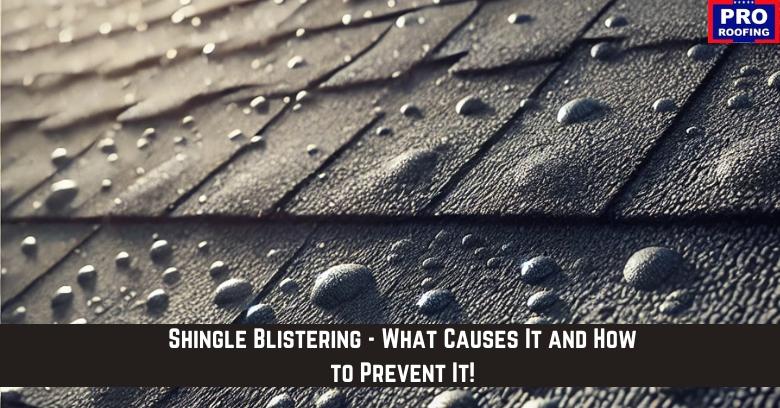
Shingle blistering is a common issue many homeowners in Tallahassee and Quincy Florida face due to the region's hot and humid climate.
If left untreated, shingle blisters can compromise the integrity of your roof, requiring costly roof repair.
Understanding what causes shingle blistering and how to prevent it can help homeowners protect their investment and extend the life of their roofs.
This blog will explore the causes of shingle blistering, how to identify it, and the best solutions for prevention and repair.
What Is Shingle Blistering?
Shingle blistering refers to the formation of raised bumps or bubbles on asphalt shingles. These blisters may be small and barely noticeable initially but can grow over time.
In severe cases, these blisters may pop, exposing the roofing materials underneath and leading to potential leaks and further roof damage.
Identifying Shingle Blistering
Blistering shingles typically have a bumpy, uneven surface, with some areas appearing more raised than others.
If the blisters pop, they leave small pits or craters, exposing the granules beneath the surface.
Over time, this exposure can make the shingles more vulnerable to sun damage and water infiltration, requiring immediate residential roof repair to prevent further deterioration.
What Causes Shingle Blistering?
Several factors contribute to shingle blistering, most related to heat, moisture, and manufacturing defects.
Understanding these causes can help homeowners take proactive steps to prevent the issue.
- Moisture Trapped During Manufacturing:& One primary cause of shingle blistering is moisture trapped within the shingles during manufacturing. If excess moisture is present when the shingles are produced, it can turn into steam when exposed to high temperatures, leading to blister formation.
- Excessive Heat Exposure:& Florida's hot climate, particularly in cities like Tallahassee and Quincy, plays a significant role in shingle blistering. Prolonged sun exposure can soften the asphalt in shingles, making them more susceptible to blister formation. Poor attic ventilation can further exacerbate the issue by trapping heat, dramatically raising the roof temperature.
- Poor Roof Ventilation: Proper attic ventilation is essential for maintaining a stable roof temperature. Without it, heat and moisture build up, creating the perfect environment for blistering. This is a common problem in Florida homes, where high humidity can lead to excessive moisture accumulation.
- Low-Quality or Aged Shingles: Not all shingles are created equal. Low-quality shingles are more prone to manufacturing defects, including moisture retention, which can lead to blistering. Additionally, older shingles that have experienced years of wear and tear are more likely to develop blisters as their protective granules wear away.
- Improper Installation: Roofing installation plays a significant role in the long-term durability of your roof. If shingles are not installed correctly or low-quality adhesives are used, they may be more prone to blistering. Working with experienced roofers in Tallahassee or Quincy ensures proper installation, reducing the likelihood of premature damage.
How to Prevent Shingle Blistering
While some causes of shingle blistering are out of homeowners' control, there are several steps you can take to minimize the risk:
- Choose High-Quality Shingles: Investing in high-quality asphalt shingles from a reliable manufacturer can significantly reduce the chances of blistering. Look for products with strong warranties designed to withstand the intense heat of Florida's climate.
- Be Sure of Proper Roof Ventilation: Proper attic ventilation is crucial in preventing excessive heat buildup, which contributes to shingle blistering. Make sure your roofing system includes ridge vents, soffit vents, or attic fans to allow for adequate airflow and temperature regulation.
- Hire Experienced Roofers for Installation: Hiring professional roofers in Tallahassee or Quincy means that your shingles are installed correctly. Proper installation techniques help prevent issues like premature blistering and prolong the life of your roof.
- Regular Roof Maintenance and Inspections: Scheduling routine roof inspections with a trusted residential roof repair company can help catch early signs of blistering before they become a significant problem. Professional roofers can also identify and address ventilation issues that may contribute to the problem.
- Keep Your Roof Clean and Debris-Free: Leaves, dirt, and other debris can trap moisture on your roof, increasing the risk of shingle blistering. Regularly cleaning your roof and gutters can help prevent moisture buildup and reduce the likelihood of damage.
Repairing Blistered Shingles
If your shingles have already developed blisters, the best course of action depends on the severity of the issue.
In minor cases, a professional roof inspection can determine whether the damage is superficial or if it requires immediate attention.
If the blisters have popped and exposed the underlying materials, replacing the affected shingles is the best way to prevent leaks and further damage.
Working with a reliable roof repair company in Tallahassee or Quincy validates that the problem is handled correctly, preventing future issues and extending the serviceable life of your roof.
Conclusion
Shingle blistering is a common roofing issue in Florida, particularly in Tallahassee and Quincy's hot and humid climates.
The primary causes include moisture trapped during manufacturing, excessive heat exposure, poor ventilation, and low-quality shingles.
Preventing blistering starts with choosing high-quality roofing materials, being sure of proper attic ventilation, and working with experienced roofers for installation and maintenance.
Key Takeaways:
- Shingle blistering, which appears as raised bubbles or bumps on asphalt shingles, is often caused by heat, moisture, or manufacturing defects.
- Florida's climate and poor ventilation can both accelerate the risk of shingle blistering.
- Preventive measures include using high-quality shingles, having proper ventilation, and hiring professional roofers for installation and maintenance.
- Regular roof inspections and maintenance can catch early signs of blistering and prevent costly residential roof repair.
- If blisters have popped, replacing the affected shingles is crucial to prevent leaks and structural damage.
FAQs
1. What is shingle blistering?
Shingle blistering involves the formation of raised bumps or bubbles on asphalt shingles, typically caused by trapped moisture or prolonged heat exposure.
2. Can shingle blisters cause leaks?
Yes, if blisters pop and expose the underlying materials, they can lead to leaks and further roof damage.
3. Is shingle blistering a manufacturing defect?
It can be, but it is also caused by improper installation, excessive heat, and poor ventilation.
4. How do I prevent shingle blistering?
Have proper ventilation, use high-quality shingles, and schedule regular roof maintenance.
5. Should I replace blistered shingles?
If the blisters have popped, replacing the affected shingles is recommended to prevent further damage.
6. Does attic ventilation help prevent blistering?
Good attic ventilation reduces heat buildup, which contributes to shingle blistering.
7. Can I repair blistered shingles myself?
It is best to contact professional roofers for residential roof repair so that the job is done correctly.
8. Does Florida's climate increase the risk of blistering?
Yes, the hot and humid climate in Tallahassee and Quincy can accelerate blistering.
9. How often should I inspect my roof for blisters?
A professional inspection at least once yearly and after extreme weather conditions is recommended.
10. Will a warranty cover shingle blistering?
It depends on the manufacturer and the cause of the blistering. Before filing a claim, always check the warranty details.