Roofs are more than just a protective covering for your home, they are a crucial part of your property's overall structure and curb appeal. One common roof repair issue that many homeowners encounter is shingle granule loss. This phenomenon, where small granules embedded in the shingles begin to flake off, may seem minor at first glance; however, it can be an early warning sign of potential roof degradation. Whether you live in Monticello, Quincy, or Tallahassee Florida, understanding the causes and consequences of granule loss is essential to preserving the life and functionality of your roof.

Shingle granules, which are typically made of ceramic-coated minerals, serve as a protective barrier for asphalt shingles. They shield the underlying asphalt from harmful UV rays, temperature changes, and severe weather, essentially extending the roof's serviceable life. When these granules start to come off, the shingles lose their ability to withstand harsh environmental elements, thereby increasing their vulnerability to water damage, cracking, and other forms of decay. Homeowners often notice the granules accumulating in gutters or near downspouts and this visual cue should not be ignored.

For those who have observed this issue on their roofs, the concern quickly shifts from aesthetic imperfections to potential structural risks. In many cases, early granule loss is a sign that the roofing materials may be nearing the end of their serviceable life or that an underlying problem, such as poor installation or inadequate maintenance, is present. The conversation around residential roofing repair becomes urgent, as timely roof repair can prevent further damage and preserve the integrity of your home. Professionals offering skilled roofing repairs advise homeowners to monitor the condition of their roofs routinely, especially in climates like Florida's, where intense sunshine and heavy rains can accelerate wear and tear.

This article examines the causes, implications, and solutions associated with granule loss, offering practical guidance for every homeowner. With a clear understanding of what to look for and how to respond, you can take confident steps toward safeguarding your home, so that both the short-term repairs and long-term investments in your roof are worthwhile.

The Impact of Shingle Granule Loss on Your Roof

Beyond just the physical integrity, the economic implications of neglecting shingle granule loss are significant. A minor oversight today can lead to expensive repairs in the future, making it essential to be proactive about roof maintenance. Understanding the process of shingle granule loss can transform how you approach routine roof maintenance. At its core, granule loss is a sign that your roof is undergoing the natural aging process, exacerbated by environmental stressors. Over time, the granules, those tiny ceramic particles bonded to asphalt shingles, begin to wear down due to harsh UV exposure, heavy rains, and high winds. While a small amount of granule loss is normal as your shingles age, excessive loss can lead to reduced protection for your roof against the harsh Florida weather.

In-Depth Examination and Practical Strategies

Shingle granule loss is rarely a random occurrence; rather, it is a signal that your roof may be under stress. When exposed to severe weather conditions, UV rays, and the remnants of aging materials, shingles can begin to break down. For example, in Monticello Florida where summers are harsh and rainfall can be intense, the continuous exposure to elemental forces accelerates the natural aging process of shingles. Similarly, homeowners in Quincy or Tallahassee frequently report issues related to frequent granule loss due to the hot, humid environment, coupled with periodic storms.

Recognizing the Warning Signs of Granule Loss on Your Roof

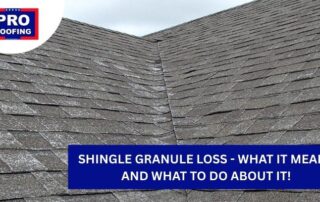
Your roof is one of the most important protective barriers for your home and maintaining it is crucial for long-term durability. One of the key features of a healthy asphalt shingle roof is the layer of granules that coat each shingle. These granules not only add color to the roof but also serve as a protective shield against harmful UV rays, rain, and other weather elements. Yet over time, these granules can begin to wear off, potentially leading to damage that requires professional roof repair services.

Homeowners often overlook the early signs of granule loss, but recognizing them early can save you from costly repairs down the road. Here are some common warning signs that your roof may be experiencing granule loss:

  • Granules in Gutters: The most obvious sign of granule loss is when you begin to notice small, dark granules accumulating in your gutters or along the foundation of your home. These granules were once part of your roof's protective coating but have worn away over time.
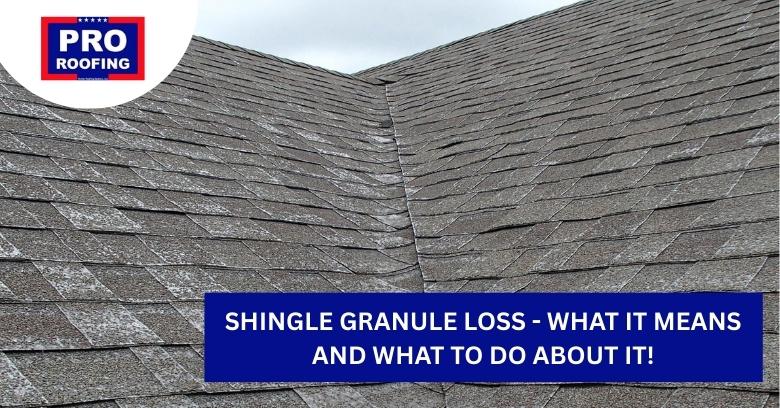
  • Dark Streaks on Roof Surface: As the granules begin to fade or fall off, you may notice dark patches or streaks on the surface of your roof. This is a result of the asphalt layer underneath becoming exposed, making it more susceptible to further wear and tear.
  • Increased Roof Wear and Tear: With the loss of granules, the roof's surface becomes more vulnerable to the elements. You may start noticing accelerated wear in areas that previously seemed to have minor damage. The asphalt layer underneath will age more quickly, resulting in faster deterioration.
  • Shingle Surface Texture Change: If you inspect your roof closely, you may notice the shingles feel rougher or more brittle than they once did. The granules provide a smooth texture to the shingles and without them, the shingles can become fragile and prone to cracking.
  • Heat Damage or Higher Energy Bills: Granules help reflect the sun's rays, keeping your home cool. When granules are lost, your roof can absorb more heat, potentially increasing your cooling costs during warmer months.
  • Exposed Roof Underlayment: If granule loss continues unchecked, the underlying asphalt may eventually become exposed in certain areas. This makes your roof more susceptible to leaks and further damage, which may necessitate expensive repairs or a complete roof replacement.

The Effects on Roof Integrity

The protective granule layer not only shields the asphalt from harmful UV rays but also provides an additional measure of fire resistance. When this layer erodes, your roof's ability to reflect heat diminishes, potentially leading to higher internal temperatures in your home. Moreover, exposed asphalt can absorb more moisture, increasing the risk of leaks and further water damage. In severe cases, granule loss can even contribute to faster-than-expected aging of roof materials, making timely residential roofing repair essential. Homeowners should be especially vigilant if they start noticing odd accumulations of granules in their gutters or if their shingles appear discolored or balding.

Common Causes of Shingle Granule Loss

Granule loss is a natural part of your roof's aging process, but several external factors can also accelerate it. Understanding why granules fall off and what you can do to prevent or mitigate the issue is key to maintaining your roof's integrity and protecting your home. If you notice signs of granule accumulation, it is crucial to contact a roofing contractor experienced in residential roofing repair. Prompt intervention can mean the difference between a simple cleaning and a full-scale roof replacement. Here are some of the main reasons why your shingles might lose their granules:

  • Natural Aging: As your roof ages, the granules naturally start to loosen and fall off. Over time, the sun's UV rays, rain, and other weather elements gradually wear down the protective coating. This is a normal process and the older the roof, the more likely it is to experience granule loss.
  • Extreme Weather Events: Severe weather conditions, such as hailstorms, high winds, or heavy rain, can cause physical damage to your roof, dislodging granules and potentially compromising its integrity. For instance, hailstones can create dents or small cracks in the shingles, leading to accelerated granule loss. High winds can also lift and tear shingles, leaving parts of the roof exposed.
  • Improper Installation: Mistakes during the roof installation process can set the stage for premature granule loss. For example, improper sealing or insufficient underlayment can lead to gaps and weak spots on your roof. When these weak points are exposed to weather, water, and debris, they can wear away the granules faster than a properly installed roof would.
  • Contaminated Runoff: Over time, water runoff that contains pollutants, such as dirt, tree sap, or chemicals, can cause the granules to loosen. These contaminants can also cause loosened granules to collect and stick on the roof surface, preventing proper drainage and increasing wear. If your gutters are clogged or there is excessive debris on your roof, the water might trap more pollutants, accelerating granule loss.
  • Moss and Algae Growth: Moss and algae can grow on shaded or damp areas of the roof, particularly in regions with high humidity. These organisms can lift and loosen the granules from the shingles as they spread, further damaging your roof. This is particularly common in areas with frequent rain or high humidity.
  • Environmental Factors: Certain regions such as Florida face a combination of heat, humidity, and tropical storms that increase the likelihood of granule loss. In hot climates, the roof material expands and contracts with temperature fluctuations, which can cause granules to loosen and fall off the surface. Tropical storms and high winds, commonly seen in coastal areas, can also contribute to faster granule loss.

Evaluating the Extent of the Damage

Before deciding on the appropriate course of action, it is essential to assess the extent of granule loss. Minor granule loss might be treated with a thorough cleaning and preventive maintenance, which can extend the life of the existing roof. If the granule loss is widespread exposing large areas of the underlying layer, more extensive roof repair might be necessary. In many instances, homeowners have reported that delays in addressing these issues led to worsened conditions, making repair efforts more complex and expensive.

Maintenance and Professional Intervention

Regular roof inspections are crucial for catching problems early. If you are noticing granule loss, it might be time to consult professional roof repair services. Many residents in Monticello, Quincy, and Tallahassee regularly schedule inspections to assess the condition of their roofs, especially following severe weather events. These experts can determine whether the granule loss is a natural part of the aging process or an indication of more severe underlying issues.

Professional maintenance can include a variety of roofing repair methods, such as:

  • Minor touch-ups and sealant applications to re-secure loosely attached granules.
  • Cleaning and debris removal to prevent further damage.
  • In more severe cases, replacing affected shingles or considering a full roof replacement may be necessary.

Understanding when to perform minor repairs versus when to have a more extensive overhaul is critical. Selecting a reliable residential roofing repair contractor who can provide a comprehensive evaluation is essential. These professionals can recommend the most cost-effective and long-lasting solution based on the extent of the granule loss and overall roof condition.

Actionable Steps for Homeowners

Engaging in regular roof inspections and performing timely repairs is a crucial step in addressing granule loss. Start by conducting a visual inspection from the ground or a ladder when safety permits. Look for accumulated granules in gutters or any noticeable changes to the texture and color of your roofs. Once you identify the issue, find a local professional with a strong track record in providing residential roofing repair services. It is advisable to request multiple estimates and check reviews before authorizing any work.

Furthermore, keep a maintenance log detailing the dates of all inspections, observations, and any roofing repairs carried out. This documentation can be invaluable when discussing with contractors or when filing insurance claims in the future. Detailed records help you track the progression of the granule loss and see if previous repairs are holding up over time.

Conclusion

Understanding shingle granule loss is a crucial aspect of maintaining the overall health of your roof. This process, which can be easily overlooked in its early stages, often signals that your roof's protective capabilities are diminishing. If you reside in Monticello, Quincy, or Tallahassee Florida where environmental conditions are particularly challenging, it is important to be proactive in addressing these warning signs. Timely intervention through professional roof repair can prevent small issues from turning into major structural problems.

The risks associated with granule loss extend beyond simple cosmetic concerns. A compromised roof can lead to water leakage, increased energy costs, and even structural damage to your home. To avoid these pitfalls, homeowners should consider regular inspections and seek out certified professionals who specialize in residential roofing repair. In today's competitive environment, a simple online search for "roofing repairs near me" can connect you with experts who not only understand the local climate challenges but also provide tailored solutions to meet your specific needs.

Taking preventive measures now can save you a lot of expense in the long run. Whether it means applying a protective sealant, scheduling periodic maintenance, or investing in a comprehensive roof replacement, the key is to act before the damage escalates. As you plan your next steps, remember that early detection of granule loss helps in formulating a cost-effective repair plan, securing the longevity of your roof, and making sure that your home remains safe and energy-efficient. Do not wait until a minor issue becomes a major one; be proactive, stay informed, and invest in the long-term health of your home!


Key Takeaways

  • Regular Roof Inspections: Schedule routine roof inspections at least twice a year so that your roof remains in optimal condition. Regular check-ups help identify early signs of shingle granule loss before they lead to more serious problems. Homeowners in ;Monticello Florida and other nearby regions can benefit from catching issues early and avoiding costly repairs.
  • Understand the Warning Signs: Look out for granules in gutters and downspouts, which indicate that your shingles are losing their protective layer. Being observant and proactive can save you from structural damage in the future.
  • Choose Qualified Professionals: Always choose experienced contractors specializing in residential roofing repair. Whether it is a full roof replacement or a simple repair, professionals make sure that the work is done correctly and that your home remains safe.
  • Timely Roof Repair: Do not delay roof repair when signs of granule loss appear. Acting promptly reduces overall damage and saves money by forestalling more complex repairs later on.
  • Local Weather Considerations: Due to the intense sun, heavy rains, and occasional storms common in Florida, specifically in areas such as Monticello, Quincy, and Tallahassee, your roof is at a greater risk of premature wear. Factor in your local weather conditions when scheduling maintenance.
  • Document Maintenance Efforts: Keep a detailed log of inspections, repairs, and any preventive measures performed. This documentation is useful for insurance claims and helps track the health and performance of your roof over time.
  • Preventive Treatments: Regular cleaning and the application of protective sealants can reduce granule loss. Preventive treatments help extend the life of your roof and maintain its ability to protect your home.
  • Cost-Effective Solutions: Early interventions are usually much more affordable than major repairs or full replacements later on. Investing in routine maintenance often results in long-term savings and peace of mind.
  • Insurance Considerations: Review your homeowner's insurance policy to determine if it covers roof repair or replacement. Sometimes early detection of shingle granule loss can lead to more favorable claims or repair options with your provider.
  • Stay Informed: Educate yourself about the lifecycle of roofing materials and common signs of deterioration. By understanding the materials and expected wear patterns, you can better assess when it is time to schedule professional roof repair.

FAQs

1. What causes shingle granule loss?
Shingle granule loss can occur due to natural aging, severe weather conditions such as high winds and hail, and exposure to intense ultraviolet (UV) rays. Over time, these factors cause the protective granules to break down and detach from the shingle surface, compromising the roof's durability.

2. How can I determine if my roof is experiencing granule loss?
A common sign is the presence of granules in gutters or around downspouts. Additionally, if your roof appears less uniform or you notice exposed asphalt areas, it might be time to schedule an inspection from a professional specializing in residential roofing repair.

3. Is granule loss common in Florida roofs?
Yes, in areas like Monticello, Quincy, and Tallahassee, intense sunshine, heavy rainfall, and occasional storms accelerate the wear on roof shingles, making granule loss a common issue that should be monitored closely.

4. Can I repair granule loss on my own?
While minor granule loss may seem manageable, it is generally recommended to consult a professional for guidance. DIY fixes may not address underlying issues, and improper repairs can lead to further damage. Skilled roof repair make certain that your roof is restored safely and effectively.

5. What is the risk of ignoring granule loss?
Ignoring granule loss can lead to decreased roof performance, water infiltration, and eventually, structural damage. Over time, the compromised roofing material will fail to protect your home effectively, necessitating more extensive and expensive repairs.

6. How often should I have my roof inspected?
It is wise to have your roof inspected at least twice a year, ideally in the spring and fall. Regular inspections help catch issues like granule loss early, especially in climates where weather extremes are common, such as in various parts of Florida.

7. Will my insurance cover repairs for granule loss?
Coverage varies by policy. While some insurance plans may cover damage from severe weather events that lead to granule loss, routine maintenance issues are often not included. It is best to review your policy details or speak with your insurer about potential coverage for roof repair.

8. What preventive measures can I take to reduce granule loss?
Regular roof cleaning, timely repairs, and the application of protective coatings or sealants can help reduce further granule loss. Additionally, proper installation and addressing any issues as soon as they are noticed is critical for mitigating long-term damage.

9. How can I find reliable "roofing repairs near me"?
Start by asking for referrals from neighbors and checking online reviews. Look for contractors with verified credentials, extensive experience in residential roofing repair, and familiarity with local weather conditions in areas such as Monticello, Quincy, and Tallahassee.

10. What steps should I take if I notice significant granule loss?
If you notice significant granule loss, schedule a professional roof inspection immediately. Document your findings with photos and detailed notes, then contact a reliable contractor who can assess the condition and recommend suitable roof repair or replacement options. This proactive approach can save you time and money in the long run.


Check Out Who is Posting This Article!

https://smb.tryondailybulletin.com/article/Shingle-Granule-Loss-What-It-Means-and-What-to-Do-About-It?storyId=68629a62961b6700020c860d
https://smb.winchestersun.com/article/Shingle-Granule-Loss-What-It-Means-and-What-to-Do-About-It?storyId=68629a62961b6700020c860d
https://smb.thewetumpkaherald.com/article/Shingle-Granule-Loss-What-It-Means-and-What-to-Do-About-It?storyId=68629a62961b6700020c860d
https://smb.cordeledispatch.com/article/Shingle-Granule-Loss-What-It-Means-and-What-to-Do-About-It?storyId=68629a62961b6700020c860d
https://smb.middlesboronews.com/article/Shingle-Granule-Loss-What-It-Means-and-What-to-Do-About-It?storyId=68629a62961b6700020c860d
https://smb.roanoke-chowannewsherald.com/article/Shingle-Granule-Loss-What-It-Means-and-What-to-Do-About-It?storyId=68629a62961b6700020c860d
https://smb.thepostsearchlight.com/article/Shingle-Granule-Loss-What-It-Means-and-What-to-Do-About-It?storyId=68629a62961b6700020c860d
https://smb.valleytimes-news.com/article/Shingle-Granule-Loss-What-It-Means-and-What-to-Do-About-It?storyId=68629a62961b6700020c860d
https://smb.lowndessignal.com/article/Shingle-Granule-Loss-What-It-Means-and-What-to-Do-About-It?storyId=68629a62961b6700020c860d
https://smb.prentissheadlight.com/article/Shingle-Granule-Loss-What-It-Means-and-What-to-Do-About-It?storyId=68629a62961b6700020c860d
https://pr.hattiesburg.com/article/Shingle-Granule-Loss-What-It-Means-and-What-to-Do-About-It?storyId=68629a62961b6700020c860d
https://pr.walnutcreekmagazine.com/article/Shingle-Granule-Loss-What-It-Means-and-What-to-Do-About-It?storyId=68629a62961b6700020c860d
https://pr.thembnews.com/article/Shingle-Granule-Loss-What-It-Means-and-What-to-Do-About-It?storyId=68629a62961b6700020c860d
https://pr.norfolkwrenthamnews.com/article/Shingle-Granule-Loss-What-It-Means-and-What-to-Do-About-It?storyId=68629a62961b6700020c860d
https://pr.omahamagazine.com/article/Shingle-Granule-Loss-What-It-Means-and-What-to-Do-About-It?storyId=68629a62961b6700020c860d
https://pr.greenvillebusinessmag.com/article/Shingle-Granule-Loss-What-It-Means-and-What-to-Do-About-It?storyId=68629a62961b6700020c860d
https://pr.wvcjournal.com/article/Shingle-Granule-Loss-What-It-Means-and-What-to-Do-About-It?storyId=68629a62961b6700020c860d
https://pr.westjordanjournal.com/article/Shingle-Granule-Loss-What-It-Means-and-What-to-Do-About-It?storyId=68629a62961b6700020c860d
https://pr.sandyjournal.com/article/Shingle-Granule-Loss-What-It-Means-and-What-to-Do-About-It?storyId=68629a62961b6700020c860d
https://pr.cottonwoodheightsjournal.com/article/Shingle-Granule-Loss-What-It-Means-and-What-to-Do-About-It?storyId=68629a62961b6700020c860d
https://pr.taylorsvillecityjournal.com/article/Shingle-Granule-Loss-What-It-Means-and-What-to-Do-About-It?storyId=68629a62961b6700020c860d
https://pr.valleyjournals.com/article/Shingle-Granule-Loss-What-It-Means-and-What-to-Do-About-It?storyId=68629a62961b6700020c860d