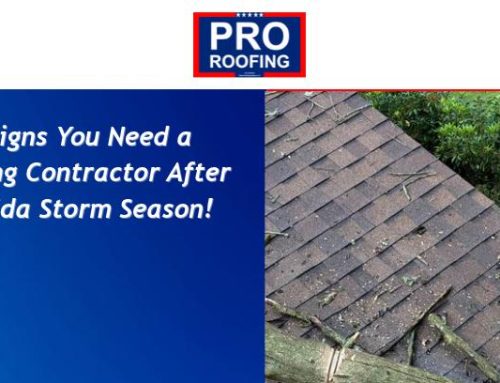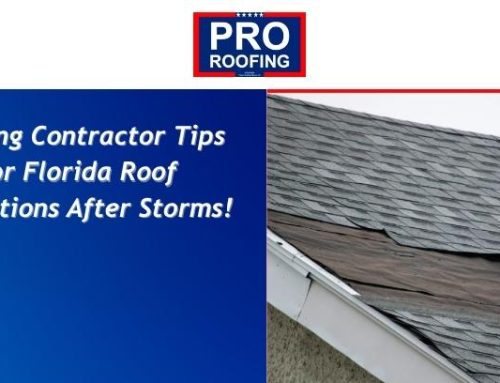

The morning after a line of storms moves through Leon County, the yard is covered in pine straw and shingle grit, but the roof looks fine from the driveway. That is the problem. Wind damage is rarely visible at ground level, and by the time a stain shows up on a bedroom ceiling, water has already been sitting on the deck for weeks. A roofing contractor reads the same roof very differently, slope by slope, because the evidence that carries weight with an insurance adjuster is small, specific, and easy to walk past.
Timing makes this urgent here. Hurricane season runs from early summer into late fall, with the peak stretch from mid-August into early October, and the March through May severe season brings hail and straight-line winds before that. Hermine, Michael, Idalia, Debby, Helene, and the May 2024 tornado outbreak mean many roofs around Tallahassee, Florida, already sit in a damage window. Add a dense live oak and pine canopy that drops limbs onto decking, and it takes a trained eye to separate real storm loss from age.
This article explains how a storm inspection is performed: what gets documented on the slopes, what the attic reveals that the exterior cannot, which Florida statutes shape the claim, and when code turns a repair into a full re-roof. It also explains how to spot an established roofing company versus a storm chaser knocking on doors after a named event.
What a Roofing Contractor Checks First
A thorough inspection follows a sequence, and skipping steps can cause damage to be missed or overstated. Most residential inspections run 60 to 120 minutes on site. When a drone is used, the flight takes 15 to 30 minutes and requires an FAA Part 107-certified pilot, but it supplements the hands-on walk rather than replacing it.
- Perimeter walk: gutters, downspouts, fascia, soffit, siding, window screens, and the condenser unit, all checked for collateral impact marks.
- Slope-by-slope exterior survey, with photos keyed to elevation (front, rear, left, right).
- Penetration check: pipe boots, vents, chimney and wall flashing, skylights, ridge caps.
- Edge metal inspection: drip edge, rake metal, and starter course.
- Attic entry to confirm whether exterior findings show up inside.
Homeowners in Tallahassee and Midway, Florida, often ask why a roofing contractor spends so long on the ground before climbing. The answer is that collateral damage builds the case. Bent gutter aprons, dented vent caps, and shredded screens corroborate a wind or hail event on a roof where the shingles themselves are ambiguous.
Wind Damage on Shingle Slopes
Wind is the dominant loss type in this part of North Florida. The signs are specific:
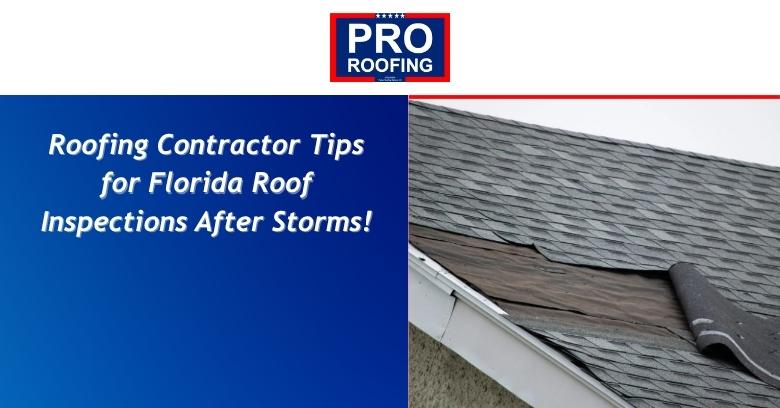
- Creased or lifted tabs, where the shingle folded back and set a fracture line in the mat.
- Broken sealant strips, confirmed with a hand-lift test on representative tabs.
- Missing or displaced ridge caps, often the first casualty on a gable.
- Pipe-boot flashing pushed out of position, or collars split by UV age and finished off by the storm.
- Rake and edge metal peeled back, which lets the next gust get under the field shingles.
Hail and Soft-Metal Checks
Hail is less frequent in Leon County than straight-line wind, but it happens in the spring. The standard protocol is a 10-foot by 10-foot test square on each slope, with every confirmed strike chalk-marked and counted. Soft metals tell the truth faster than shingles do: gutters, downspouts, vent hoods, and air conditioner condenser fins register impacts that asphalt may hide. A roofing contractor compares hit density by slope, since a genuine hailstorm is directional and a uniform pattern on all four elevations usually points to something else.
What the Attic Reveals
The attic is where a claim is won or lost. From underneath, daylight at deck seams means separation or missing fasteners. Nail shiners, frost, or condensation on exposed nail points indicate ventilation problems rather than storm loss. Staining patterns matter more than the stain itself: a crisp ring with a dry center is historic, while damp sheathing, wet insulation, and a soft deck mean the leak is active.
This step also screens out the two most common false alarms around Tallahassee, Florida. Spring oak pollen and summer pine straw clog aluminum gutters until water backs up over the fascia and into the soffit, which mimics a storm leak almost perfectly. And dark streaking on north-facing slopes is usually Gloeocapsa magma algae, a humidity problem that is cosmetic, not covered damage. Shaded neighborhoods such as Woodville, Bradfordville, and Betton Hills see both constantly, and tree-heavy lots in Midway, Florida, do too.
Documentation, Licensing, and Florida Claim Rules
Who Is Allowed to Do the Work?
In Florida, only a state-certified or registered roofing contractor holding a CCC or RC license may contract a re-roof. After every named storm, out-of-state crews flood the area with door-knocking offers, and homeowners in Midway, Florida, and across Gadsden and Leon counties are a routine target. Verifying the license number and confirming liability and workers' compensation coverage takes a few minutes and prevents a great deal of trouble.
Two legal limits are worth knowing. Florida Statute 489.147 bars contractors from paying, waiving, rebating, or absorbing an insurance deductible, and written estimates must include the statutory consumer notice. Separately, a contractor may not adjust or negotiate a claim on a homeowner's behalf, because that is public adjusting under Chapter 626. A legitimate roofing company& documents conditions thoroughly: photos, measurements, test squares, and a written scope. The adjuster scopes the claim.
Deadlines That Control the Claim
Under Florida Statute 627.70132, notice of a new windstorm or hurricane claim must be given within one year of landfall, and a supplemental claim within 18 months. Those windows were tightened in late 2022, and they close quietly while homeowners wait to see whether a stain gets worse.
Roof age is less fatal than it used to be. Under SB 4-D, which amended 627.7011, an insurer generally cannot refuse to issue or renew coverage based solely on roof age if the roof is under 15 years old, or if an inspection shows at least five more years of useful life. That inspection report is something a roofing contractor can provide.
When a Repair Becomes a Re-Roof
The Florida Building Code for Existing Buildings, specifically section 706.1.1, is often called the 25% rule. This regulation states that if you repair, replace, or recover more than 25 percent of a roof section in a single year, you must bring the entire section up to current building codes. There is an exemption for roofs built to the 2007 Florida Building Code or later that were code-compliant when installed.
Once that threshold is met, the scope grows. Current requirements commonly include a sealed roofing deck or secondary water barrier, deck re-nailing with 8d ring-shank nails at a typical 6-inch by 6-inch pattern, drip edge with a minimum 2-inch flange, and shingles rated ASTM D7158 Class H or D3161 Class F. Leon County's ultimate design wind speed runs around 115 to 120 mph in Risk Category II, with coastal Wakulla higher and inland areas slightly lower, so wind ratings are not a formality.
Permits are required. In the city, the City of Tallahassee Growth Management issues a re-roof permit; outside it, Leon County issues it, and projects in Midway, Florida, go through Gadsden County. Residential re-roof permit fees typically run $150 to $400, depending on valuation, and Florida Statute 713.13 requires a Notice of Commencement for work over $2,500.
Timelines and Costs to Expect
After a named storm, adjuster assignment through issued check often takes two to eight weeks, longer when claim volume surges. Emergency tarping typically runs $400 to $1,500 depending on area and roof height, and it protects the interior while the claim moves.
For planning purposes, asphalt shingle tear-off and replacement in the Panhandle generally falls between $4.50 and $8.50 per square foot installed, or roughly $13,000 to $30,000 on a typical 2,000-square-foot home, with pitch, layer count, decking condition, and gutters moving the number. Damaged plywood or OSB decking is commonly billed at $75 to $140 per 4x8 sheet. Commercial BUR, TPO, and modified bitumen systems generally run $7 to $16 per square foot. A hurricane deductible is typically 2 percent of Coverage A, so a $350,000 dwelling carries a $7,000 deductible, which is why a roofing contractor should give an honest read on whether filing makes sense at all. Property owners from Tallahassee, Florida, to Midway should ask for that assessment in writing before a claim is opened.
Wrapping Up
Storm damage in North Florida is rarely obvious, and it does not wait politely for a convenient season. A documented, slope-by-slope inspection with attic verification is what separates a payable claim from a denial stamped "wear and tear." The statutory clocks are real, the 25 percent rule can change the scope overnight, and license verification protects you from the crews that appear after every named storm.
Property owners in the Tallahassee, Florida, area shouldn't guess what the last storm did. Have a licensed roofing contractor document the roof while the evidence is fresh, and the claim window is open. PRO Roofing offers a free roof assessment, so you can get roofing services and an estimate before committing to anything. Schedule that inspection now, ahead of the next peak storm stretch!
Key Takeaways
- Only a state-certified or registered contractor holding a CCC or RC license may contract a re-roof in Florida, so verify the license before signing anything.
- Notice of a new hurricane or windstorm claim must be filed within one year of landfall, with supplemental claims due within 18 months.
- If more than 25 percent of a roof section is damaged in a 12-month period, code generally requires the whole section to be brought current, unless the 2007 code exemption applies.
- No contractor may legally pay, waive, or absorb your insurance deductible, and any offer to do so is a warning sign.
- An attic inspection distinguishes an active leak from an old stain and rules out clogged gutters and algae streaking that can be mistaken for storm damage.
Frequently Asked Questions
Is It Worth Filing if My Deductible Is 2 Percent?
Sometimes not, and an honest inspection will tell you before you file. On a $350,000 dwelling, a 2 percent hurricane deductible is $7,000, so isolated damage repaired for less than that is better handled out of pocket. Full-slope or structural damage usually clears the threshold easily.
My Roof Is 14 Years Old. Will They Only Pay Actual Cash Value?
That depends on your policy language, not just roof age. Many policies shift to actual cash value as a roof ages, but under SB 4-D, an insurer generally cannot refuse coverage based solely on age if the roof is under 15 years or an inspection shows five or more years of remaining life.
The Adjuster Wrote, "Wear and Tear." What Now?
Request a reinspection and supply documentation the first report lacked. Photographs of creased tabs, hand-lift test results, chalked test squares, soft-metal dents, and attic moisture findings all address the specific finding. Supplemental claims must be filed within 18 months of landfall, so move quickly.
How Long Does a Storm Roof Inspection Take?
Most residential inspections take 60 to 120 minutes on site. Drone flights add 15 to 30 minutes and require an FAA Part 107 certified pilot. Steep or complex roofs and homes with difficult attic access take longer.
Do I Need a Permit to Replace My Roof?
Yes, re-roofs require a permit from the City of Tallahassee Growth Management, Leon County, or your county of record. Fees typically range from $150 to $400, depending on valuation, and a Notice of Commencement is required for work over $2,500.